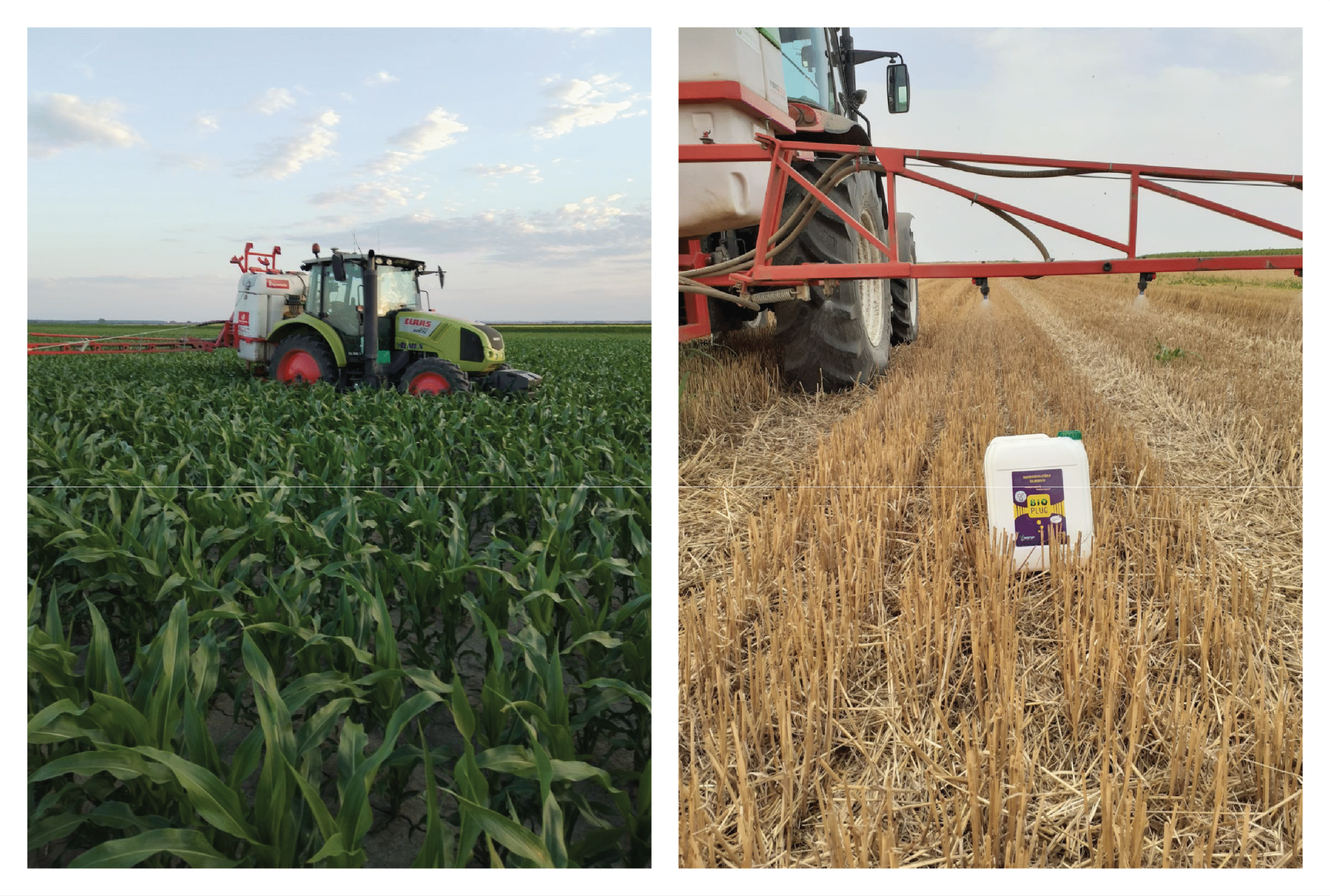
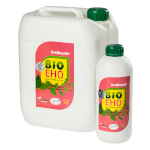
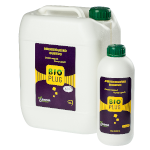
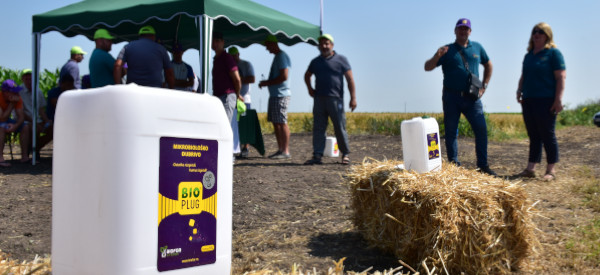
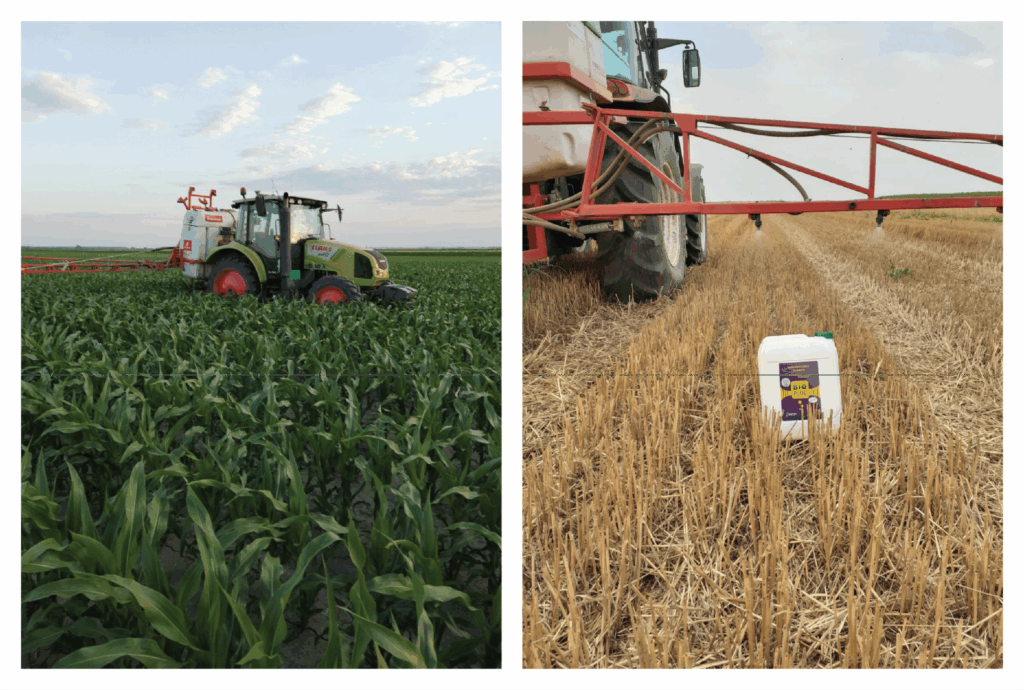

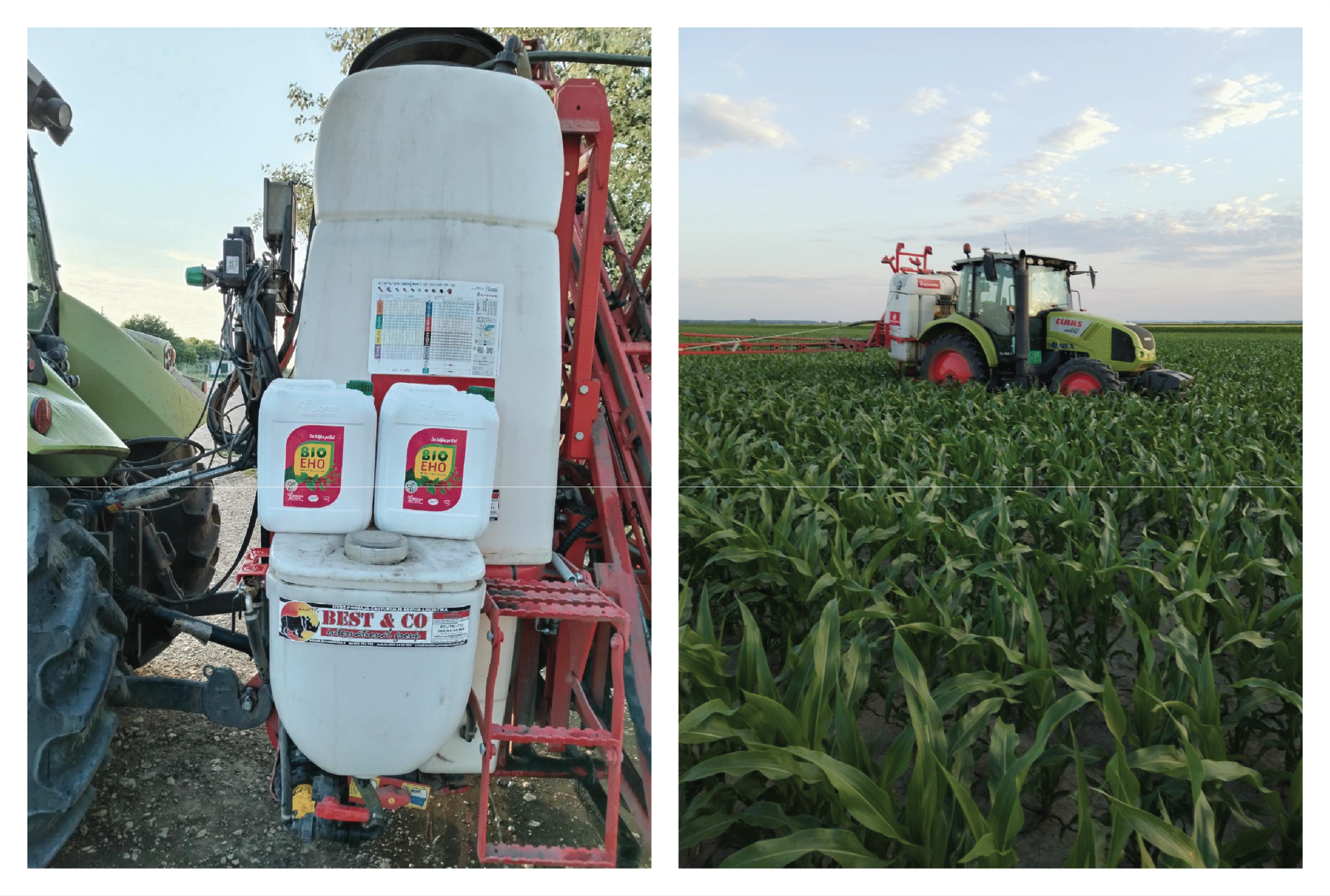
The beginning of the season has been marked by numerous challenges, primarily variable weather conditions, as well as the consequences of the previous exceptionally difficult season. In order to support the continuation of the growing season and contribute to successful production, we recommend the foliar treatment of plants with the BioEho product. BioEho is a next-generation foliar biostimulant designed to prepare plants for the stressful conditions they will face during the production season. For this reason, it is extremely important to apply the product before the onset of stressful conditions in order to increase resistance to drought, high and low temperatures, and salinity. BioEho also strengthens cell walls and increases the synthesis of signalling molecules, resulting in enhanced immunity and resistance to biotic stress. Treatment with BioEho should also be carried out after the occurrence of adverse conditions in order to accelerate recovery. The presence of auxins in the product is of great importance due to their influence on improving nutrition and nutrient supply under stress conditions. BioEho contains amino acids that preserve the plant's energy for the production of its own amino acids and help in the rapid synthesis of new proteins or the repair of proteins damaged by stress. The amino acids in BioEho are obtained in a completely natural way and are present in the biologically active L-form, making them directly available to plants. The product also contains bioactive peptides that act as biostimulants and stimulate the plant to activate its own immune response. By activating natural resistance, BioEho helps plants better withstand abiotic and biotic stress while also accelerating tissue regeneration after stress. BioEho should be applied at a rate of 3 l/ha before flowering or at the last possible stage when access to the crop with a tractor is still possible. Slightly earlier application is also possible if stressful conditions are expected. In wheat crops, the best time for application is during the second fungicide treatment. As a result of BioEho application, larger and healthier grain and a higher hectolitre weight are achieved. In sunflower and maize crops, treatment with BioEho should be carried out once a sufficient leaf mass has developed, from the 7–8 leaf stage until the last moment when a tractor can enter the field. In sugar beet crops, it is applied together with treatments against Cercospora. Following the harvest of winter and spring cereals, it is the ideal time to prepare the soil for the next season and improve soil fertility. We have witnessed a decline in humus content in our soils in recent years, both due to increasingly intensive agricultural production and the reduced use of organic fertilisers, particularly farmyard manure, as a result of declining livestock numbers. Faced with a shortage of manure, the only way to introduce organic matter into the soil and contribute to humus synthesis is through the incorporation and treatment of crop residues. Crop residues represent an extremely valuable resource that remains in our fields and provides macro- and microelements to plants. However, crop residues can become the most valuable fertiliser for our plants, and completely free of charge, provided that efficient decomposition is achieved. For many years, Biofor System has offered the microbiological product BioPlug, which contains microorganisms capable of efficiently decomposing crop residues and thereby contributing to the humification process and humus synthesis. By treating crop residues with BioPlug, we can rationalise the application of mineral fertilisers and further increase the profitability of production. Proper utilisation of crop residues generates significant savings while simultaneously increasing the humus content of the soil. With a wheat yield of 8 t/ha, an equal mass of crop residues remains in the field, containing 60–70 kg of pure nitrogen, 25–30 kg of phosphorus, and approximately 100 kg of potassium. Through proper treatment of crop residues, all of these nutrients become available to plants during the following season. Through the decomposition of crop residues, the microorganisms contained in BioPlug also release microelements from plant cell walls (Ca, Mg, Mn, B, and Si) and make Fe, Zn, and Cu available to plants through chelation.

Following the harvest of winter and spring cereals, it is the ideal time to prepare the soil for the next season and improve soil fertility. We have witnessed a decline in humus content in our soils in recent years, both due to increasingly intensive agricultural production and the reduced use of organic fertilisers, particularly farmyard manure, as a result of declining livestock numbers. Faced with a shortage of manure, the only way to introduce organic matter into the soil and contribute to humus synthesis is through the incorporation and treatment of crop residues. Crop residues represent an extremely valuable resource that remains in our fields and provides macro- and microelements to plants. However, crop residues can become the most valuable fertiliser for our plants, and completely free of charge, provided that efficient decomposition is achieved. For many years, Biofor System has offered the microbiological product BioPlug, which contains microorganisms capable of efficiently decomposing crop residues and thereby contributing to the humification process and humus synthesis. By treating crop residues with BioPlug, we can rationalise the application of mineral fertilisers and further increase the profitability of production. Proper utilisation of crop residues generates significant savings while simultaneously increasing the humus content of the soil. With a wheat yield of 8 t/ha, an equal mass of crop residues remains in the field, containing 60–70 kg of pure nitrogen, 25–30 kg of phosphorus, and approximately 100 kg of potassium. Through proper treatment of crop residues, all of these nutrients become available to plants during the following season. Through the decomposition of crop residues, the microorganisms contained in BioPlug also release microelements from plant cell walls (Ca, Mg, Mn, B, and Si) and make Fe, Zn, and Cu available to plants through chelation.
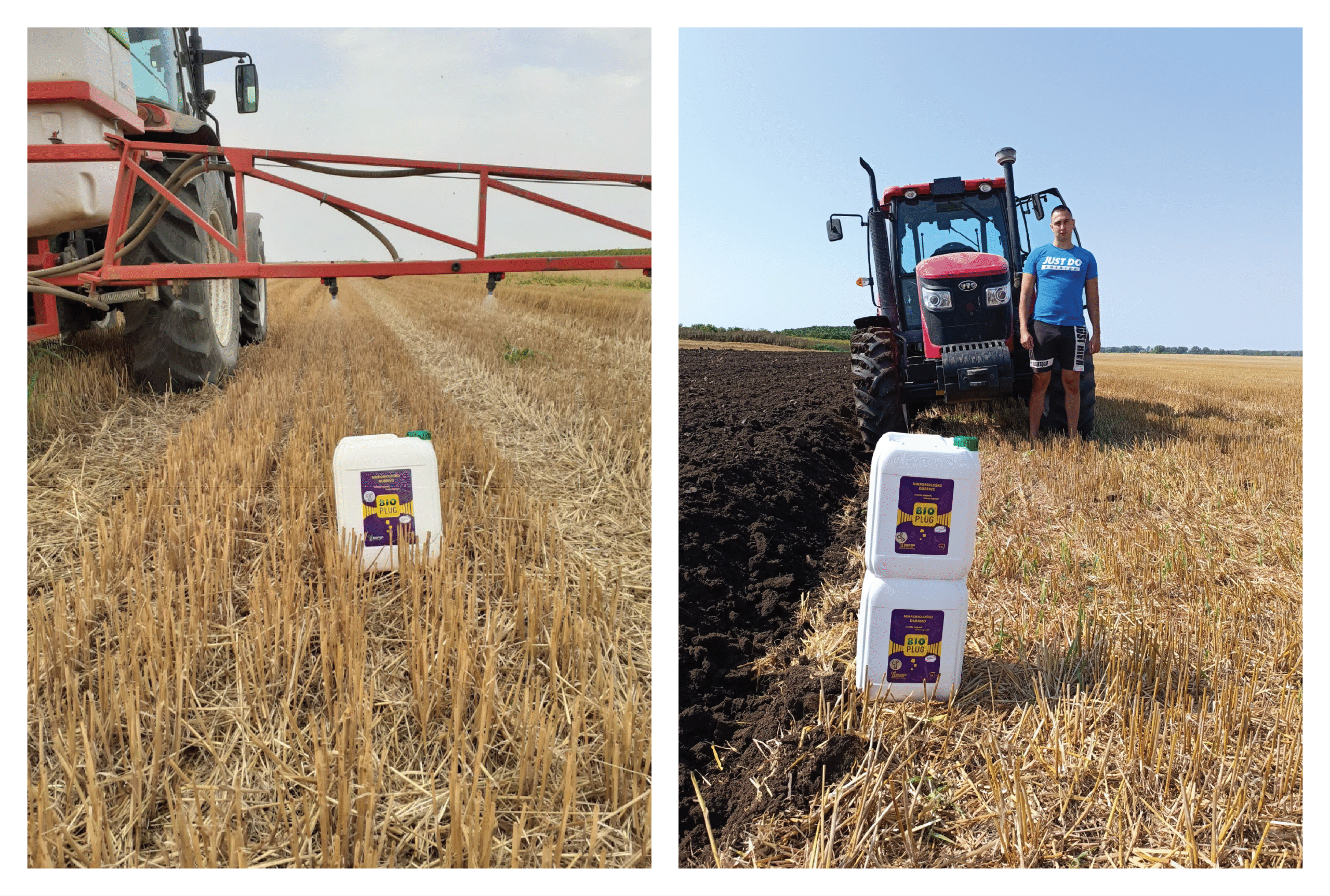
Due to their high content of cellulose, hemicellulose, and lignin, wheat crop residues are difficult to decompose without treatment with specialised microorganisms. BioPlug contains a balanced community of microorganisms that contribute to the efficient transformation of wheat, barley, and oilseed rape residues.An important component of the product is the fungus Trichoderma harzianum čiji moćni enzimi imaju ključnu ulogu u transformaciji lignoceluloznih materijala. Takođe, odnos C/N u pšeničnoj slami je visok (60:1 do 80:1) i Trichoderma pretvara kompleksnu organsku materiju u jednostavnija jedinjenja (šećere) i smanjuje C/N odnos i tako ubrzava ukupnu transformaciju žetvenih ostataka. Zbog širokog odnosa C/N mikroorganizmi koji razgrađuju slamu mogu „izvući“ azot iz zemljišta da bi mogli obavljati razgradnju, što može privremeno smanjiti dostupnost azota biljkama. Upravo zbog toga u sastav preparata BioPlug ulazi Azotobacter chroococcum koja fiksira atmosferski azot i ima ulogu da spreči pojavu azotnih depresija koje se mogu javiti u uslovima ubrzane transformacije žetvenih ostataka. Azotobacter As an integral component of the product, Azotobacter provides sufficient quantities of nitrogen from the atmosphere, enabling microorganisms to perform decomposition without interruption. Extracellular enzymes produced by rhizosphere bacteria contribute to the transformation of organic matter, humification, and nutrient release. Due to the narrower C/N ratio of oilseed rape residues, they decompose more rapidly. However, because of the presence of secondary metabolites such as glucosinolates, extracellular enzymes produced by rhizosphere bacteria are required to break them down and prevent their negative impact on soil microbiota. In addition, extracellular polysaccharides bind soil particles into stable aggregates and directly improve soil structure as well as water and air retention capacity.
The application of BioPlug increases microbiological activity in the soil, stimulates the growth of other beneficial microorganisms, and increases earthworm populations. The channels created by earthworms connect different soil horizons, increase porosity, reduce compaction, prevent erosion, and restore aggregate structure, all of which result in easier soil cultivation. Applying BioPlug at a rate of 5 l/ha improves soil quality, and regular application increases humus content and overall soil fertility.