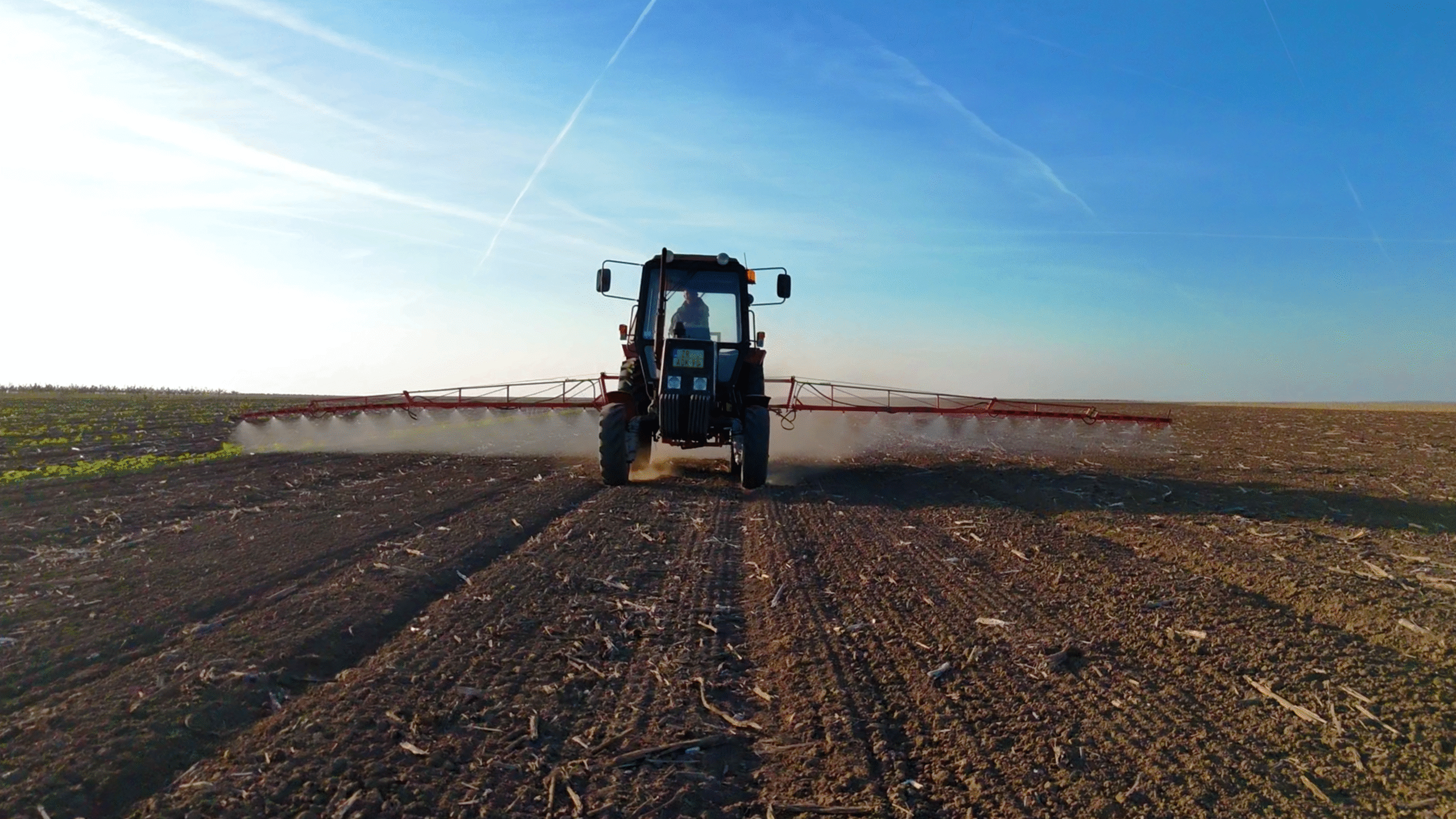

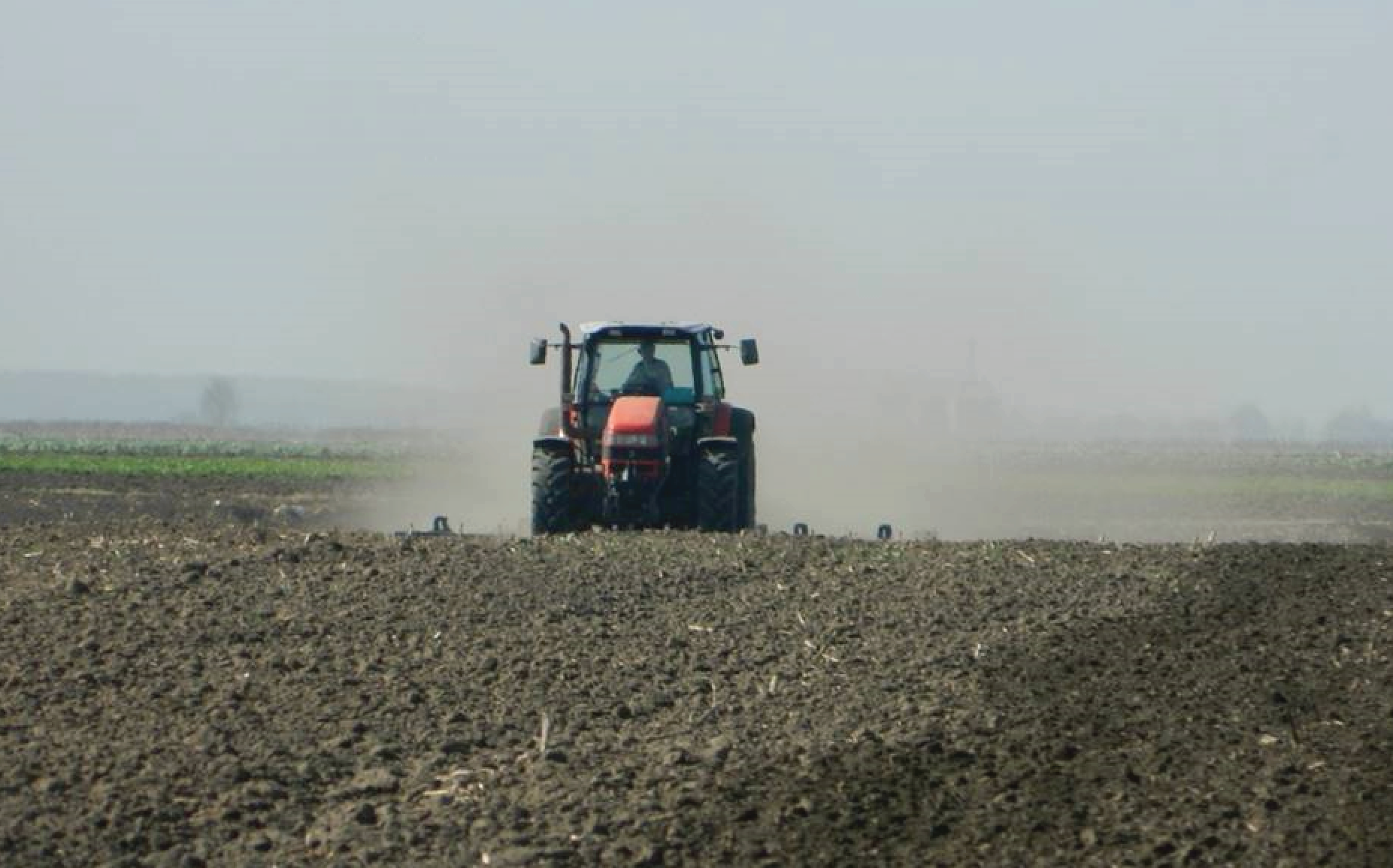
The concept of conventional agriculture involves intensive soil cultivation using heavy machinery, with the aim of creating conditions for precise and high-quality sowing. These practices break down soil aggregates, reducing porosity and the soil’s capacity to retain water and oxygen. Biological activity and organic matter content are also reduced, which in the long term degrades soil fertility and jeopardises plant growth. Evidence of excessive soil cultivation can be seen in the large clouds of dust visible on our fields during the spring period.
Intensive soil cultivation, heavy machinery, uncontrolled and excessive use of mineral fertilisers (N, P, K) without micronutrients disrupt soil structure and call into question the sustainability of agricultural production. The long-term absence of farmyard manure and other organic fertilisers, combined with the depletion of nutrients in the pursuit of high yields, causes long-term damage to the soil. Vojvodina was once characterised by fertile soils with a humus content exceeding 5% on 75% of its land area. Intensive agricultural production and reduced use of farmyard manure have led to a situation where today only 1–2% of the land in Vojvodina has a humus content above 5%.
Reliance on mineral fertilisers alone, together with the burning of crop residues, although prohibited by law, leads to a reduction in organic matter, deterioration of soil fertility, and reduced biological activity in the soil. These practices accelerate soil degradation, increase erosion, and reduce its long-term sustainability, posing a serious threat to agricultural production.
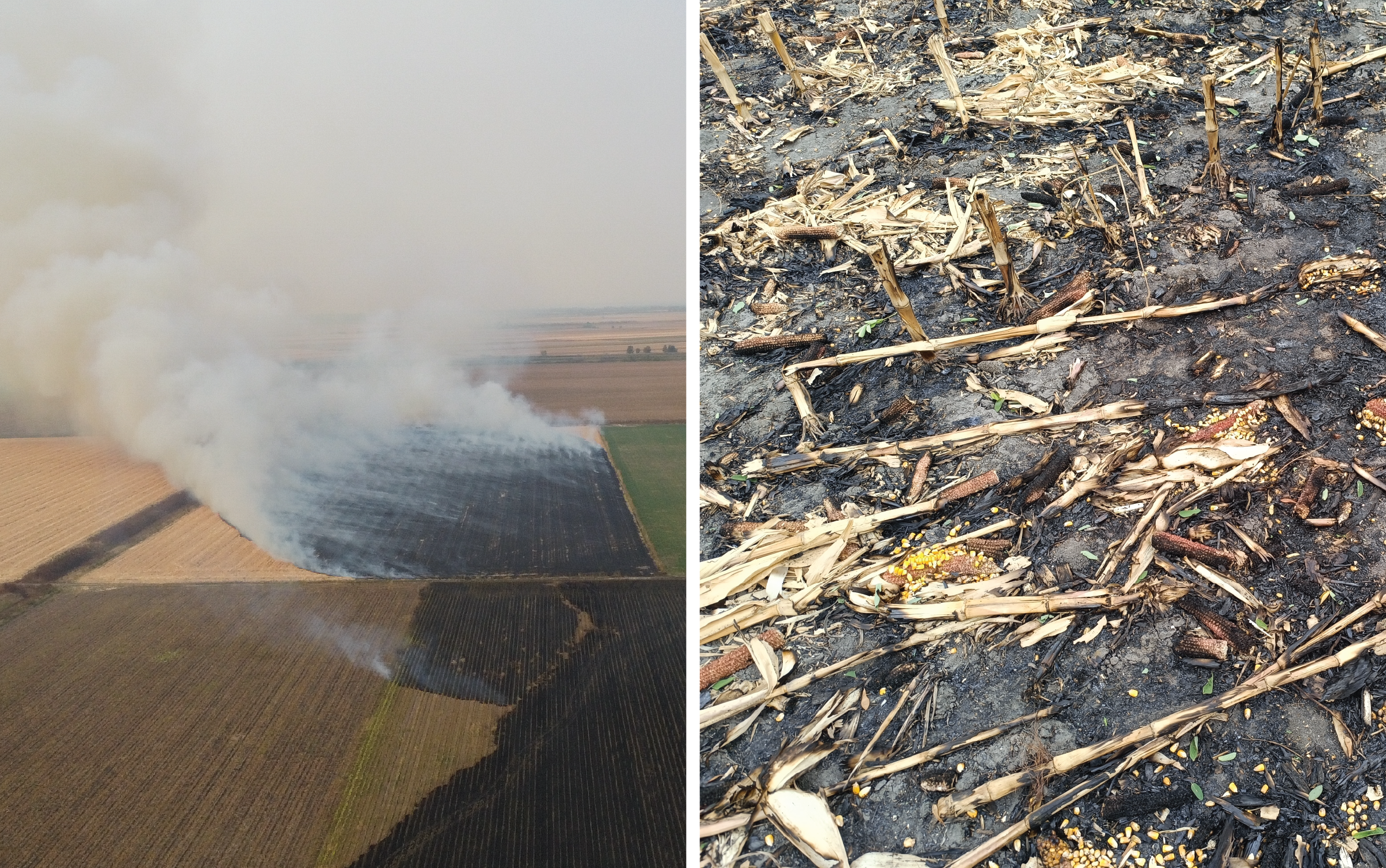
Crop residues are of great importance to our fields because, through their incorporation and proper treatment, we can increase the humus content of the soil. They represent a natural fertiliser that provides all necessary nutrients, including macro- and microelements, which are essential for proper plant development and long-term soil fertility.
The quantity of crop residues in field crops varies and approximately corresponds to the amount of yield removed from the field. In wheat, it ranges from 5–7 t/ha; in maize, 8–12 t/ha; in sunflower, 4–6 t/ha; in soybean, 4–5 t/ha; and in sugar beet, 40–60 t/ha. In addition to the quantity of crop residues, the C ratio is also important. For wheat it is 75:1, maize 60:1, sunflower 50:1, mature farmyard manure around 20:1, and stable humus 10:1. The C ratio is important because when crop residues with a wide C ratio are incorporated into the soil, increased activity of soil microorganisms occurs. These microorganisms require large amounts of nitrogen for their activity, which may cause nitrogen depression in the field. This phenomenon is particularly visible in areas where piles of residues are present.
In order for crop residues to become high-quality fertiliser for the next crop, they must be properly treated. It is essential to use combines that finely chop and evenly distribute residues across the field. If this is not possible, straw choppers or straw spreading machines can be used to ensure uniform conditions across the entire soil surface. This is the first stage in proper crop residue management.

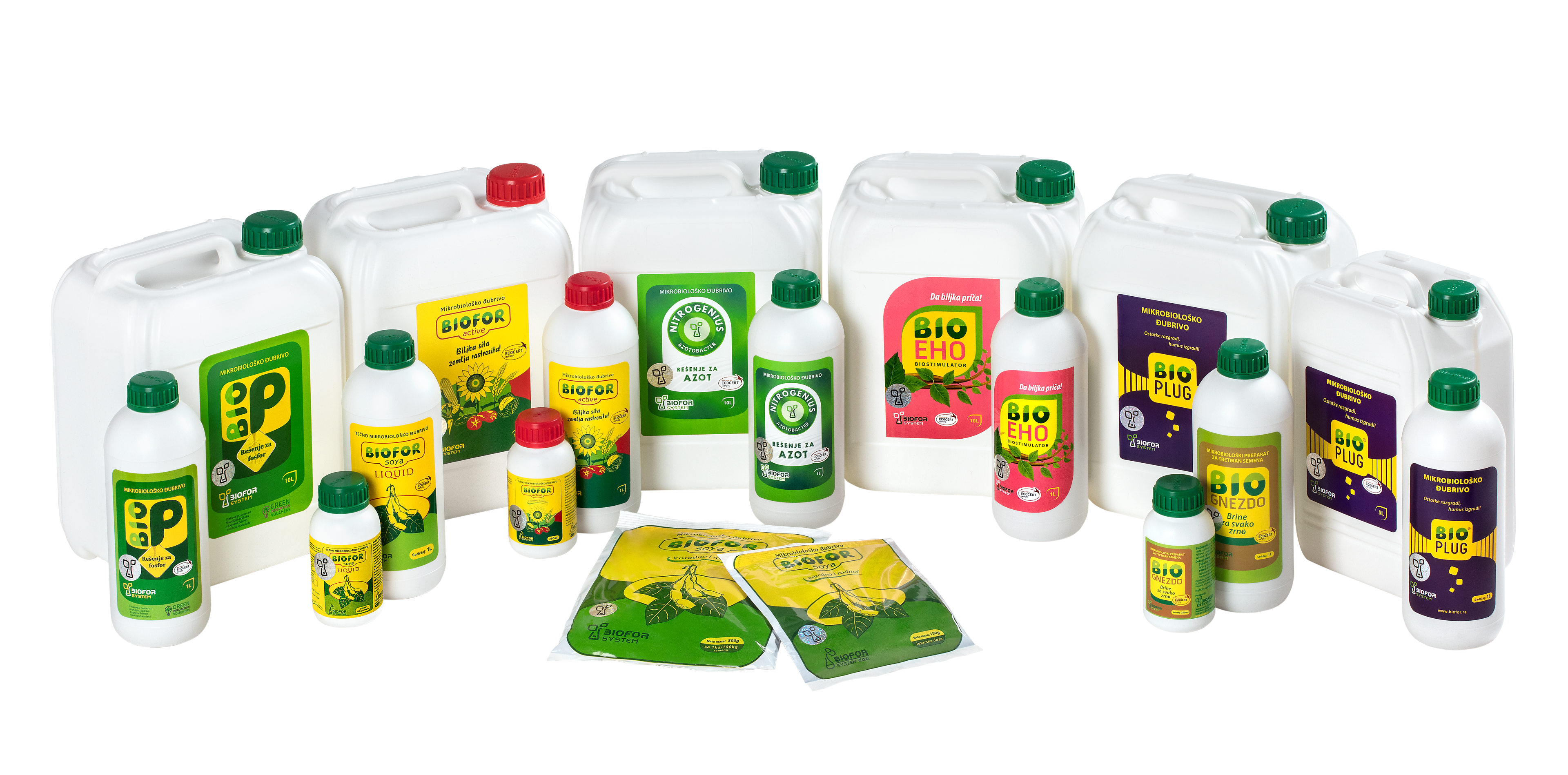
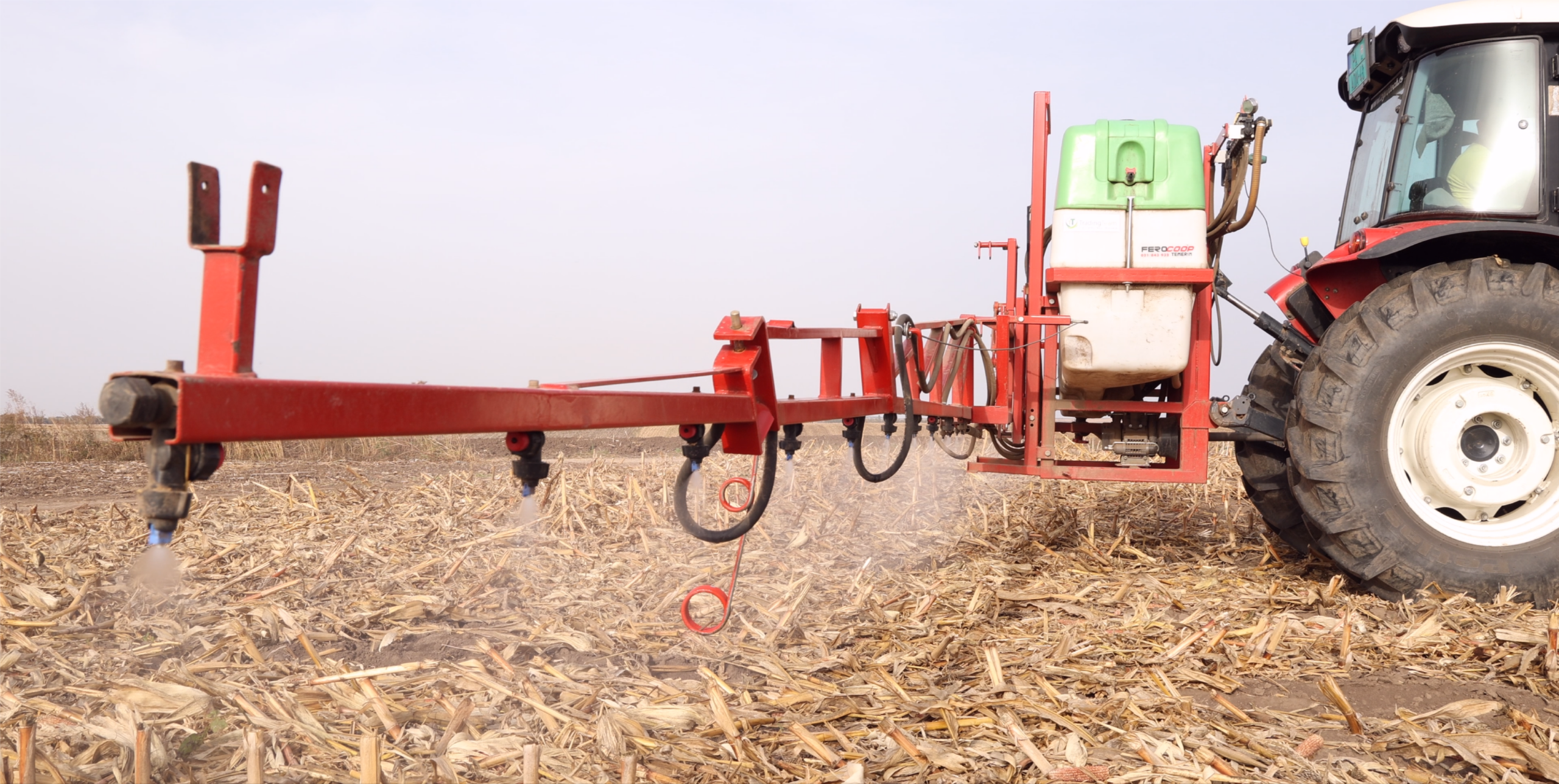
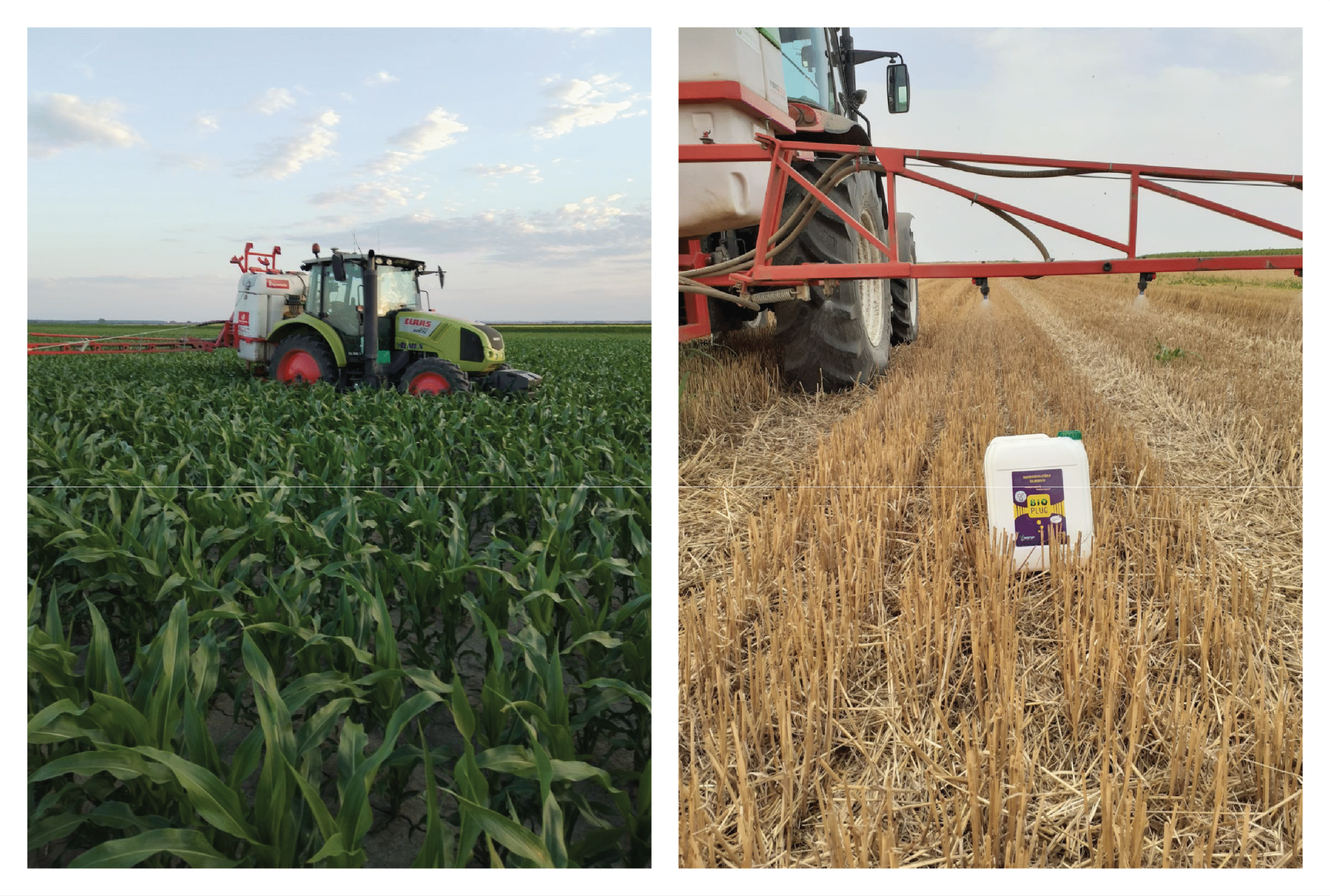
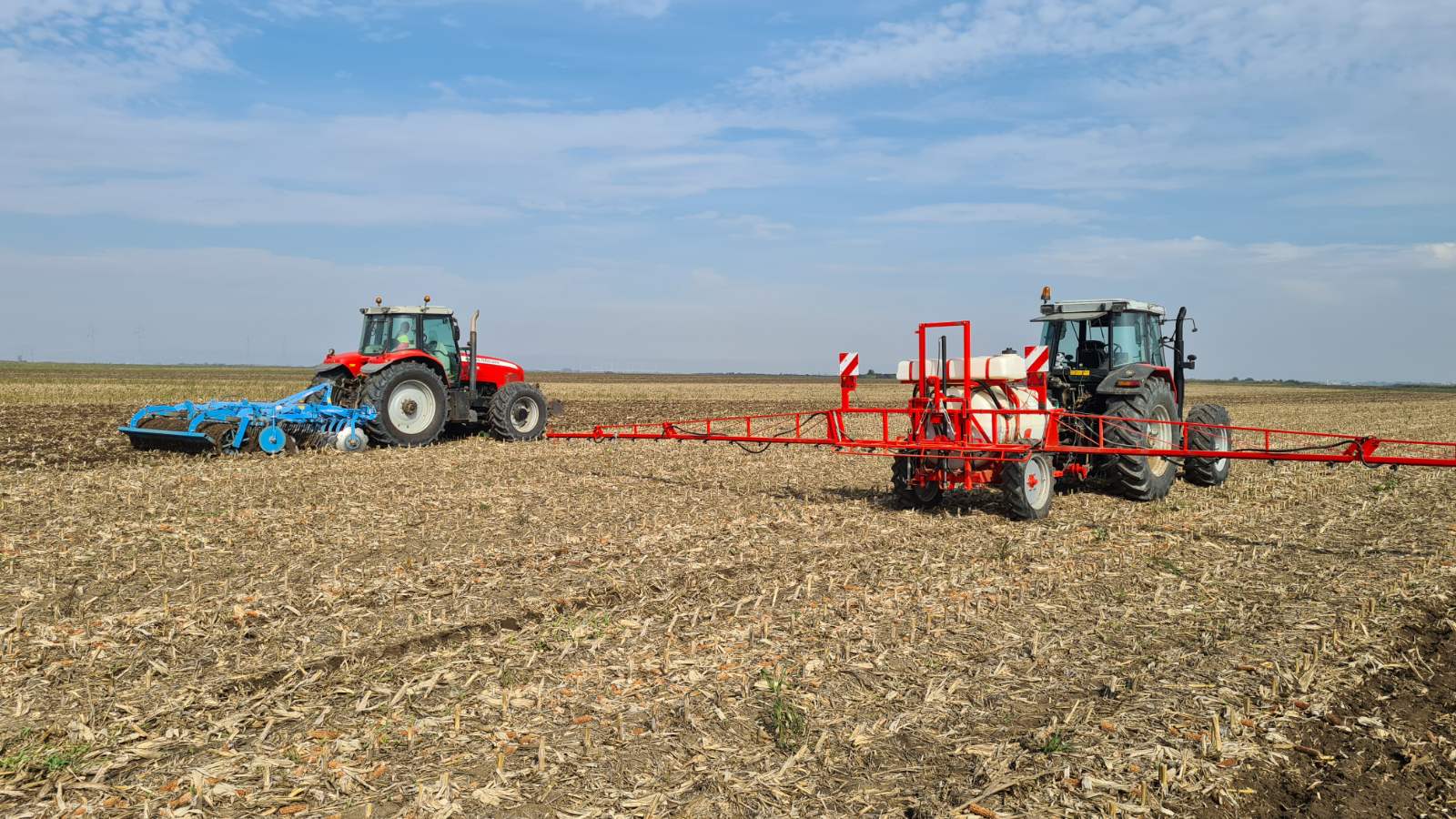
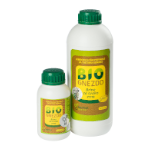
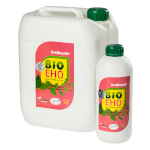
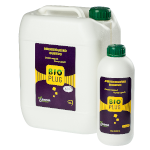
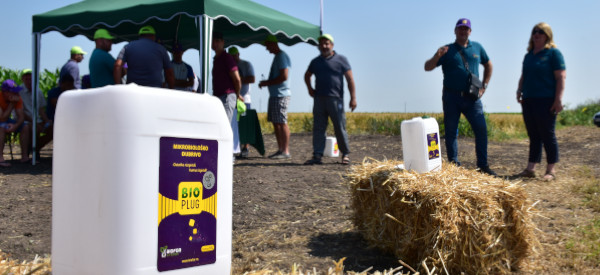
Crop residues treated with BioPlug at a rate of 5 l/ha become a high-quality fertiliser without the risk of nitrogen depression. The treatment is carried out using tractor-mounted sprayers with a water volume of 200 l/ha. After treatment, the residues should be mixed with the soil by disc harrowing, cultivation, or ploughing. In this way, the best conditions are achieved for the decomposition of crop residues and their conversion into high-quality fertiliser. BioPlug is a product whose composition and content of bacteria and fungi guarantee the proper transformation of organic matter in the soil. Thanks to the presence of the bacterium Azotobacter the occurrence of nitrogen depression is prevented. The application of farmyard manure does not exclude the use of this product, as it directs and improves its decomposition. The application of BioPlug increases soil biogenicity and the population of earthworms, whose activity further improves conditions for the development of cultivated plants.
In this way, we lay the foundations for the application of Biofor System’s BST technology, which, through Biological Soil Treatment, brings numerous benefits – improving plant development and increasing resistance to stress conditions during the growing season.
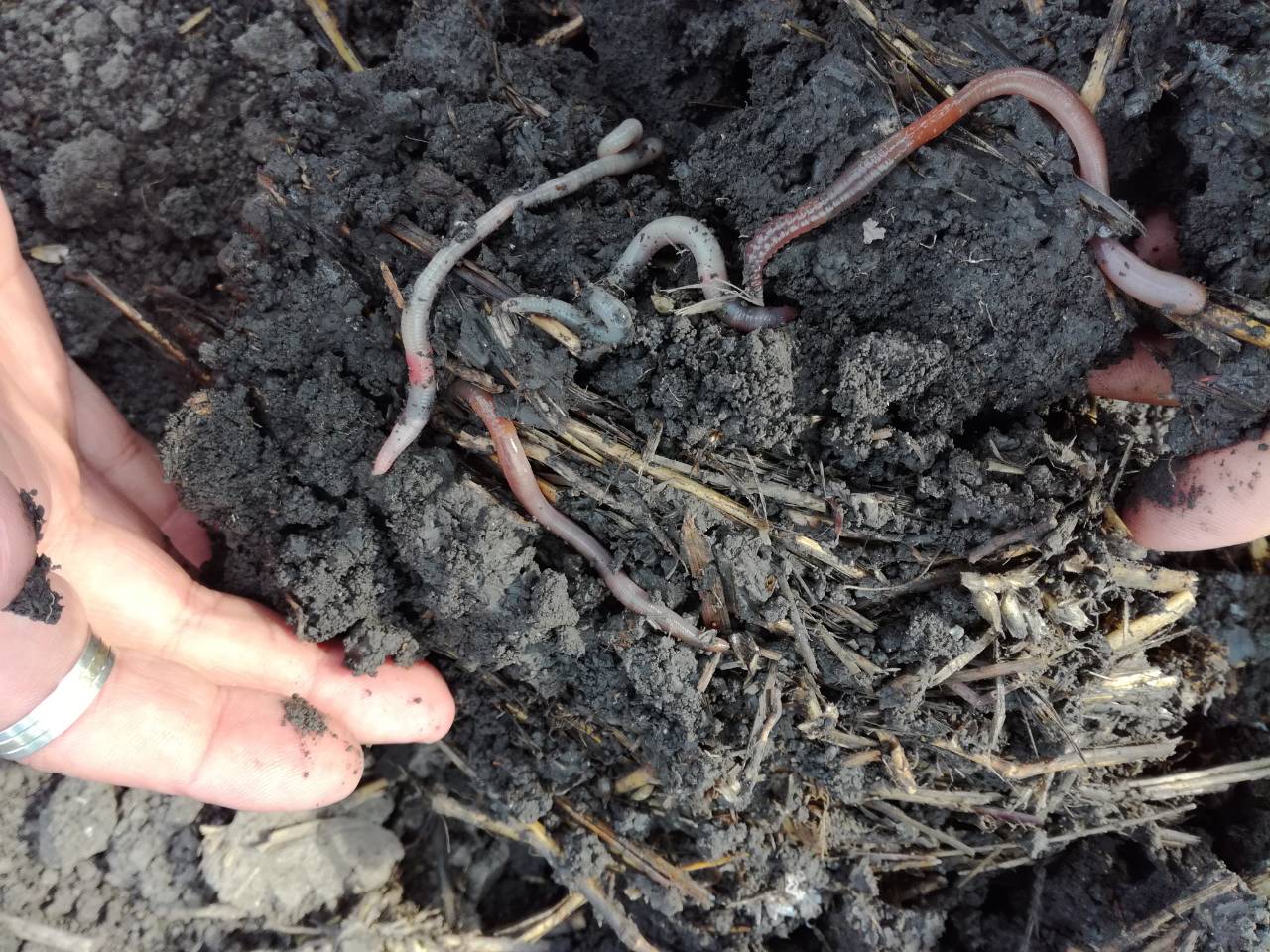
By applying the other products that are part of the unique BST technology, together with the guidance of agronomists from Biofor System who are present in the field, we give our plants a greater chance to cope with the changing environmental conditions that we have witnessed in recent years. BST technology has proven effective in numerous trials throughout Vojvodina, Central Serbia, and neighbouring countries. It is up to us to seize the opportunity and give our soil a chance to become a quality habitat for our plants.
Following the application of BioPlug, autumn is the ideal time for treating wheat, barley, and oilseed rape seed with the product BioGnezdo. This product, at a rate of 0.5 litres per hectare, can be combined with insecticides and fungicides and gives the seed an initial advantage, allowing it to pass through this very sensitive stage of vegetation more quickly and successfully. BioGnezdo accelerates germination, emergence, and root system development. A strong and well-developed root system is essential for proper plant nutrition. Seed treatment with BioGnezdo represents the second step in BST technology.
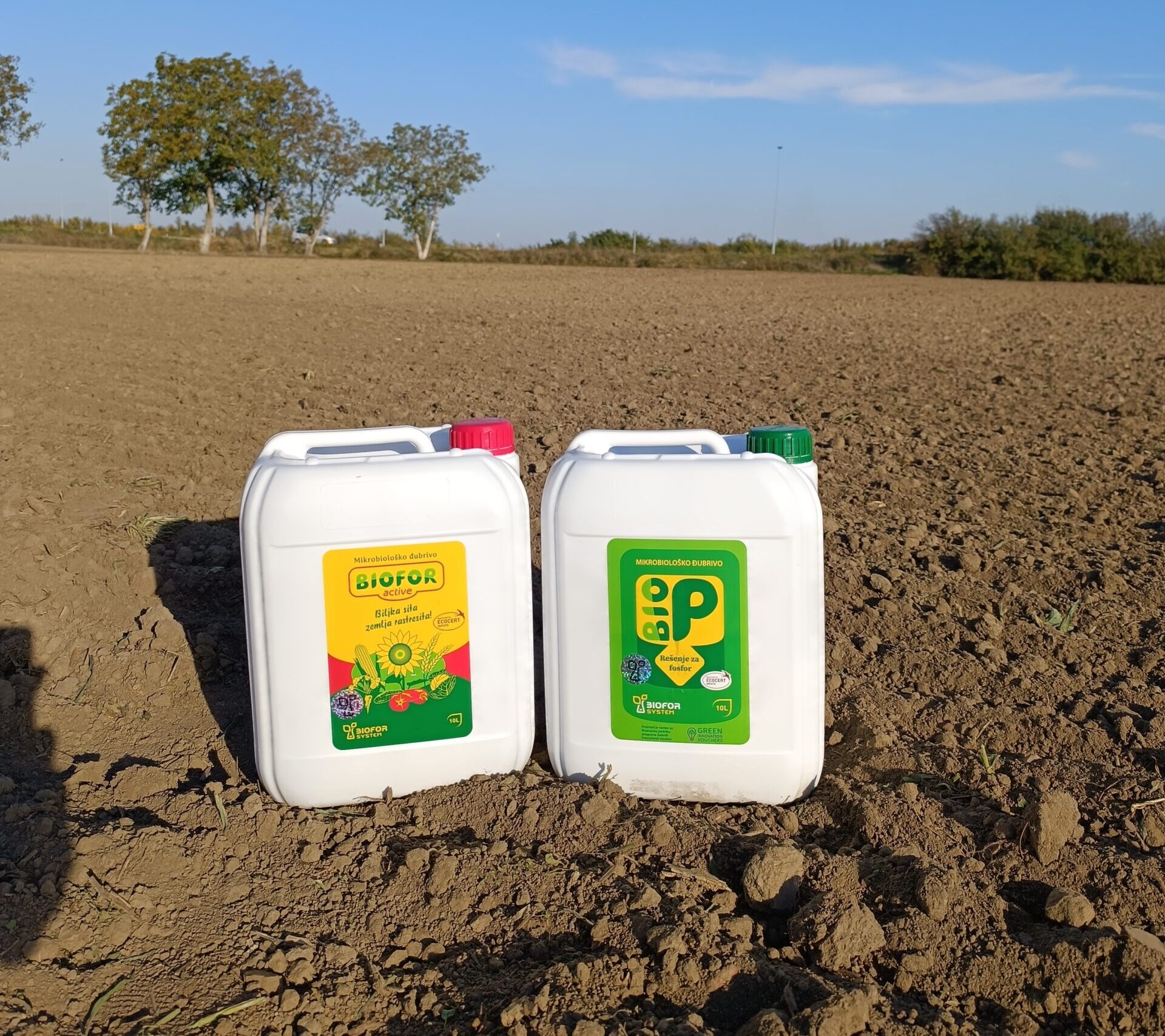
The next product in BST technology, which can be applied as early as the autumn period and thus prepare the plant to enter winter in good condition, is Biofor Active. Biofor Active is a product that can be characterised as a biological NPK fertiliser. The active components of this product are bacteria that convert inaccessible forms of phosphorus and potassium into forms available to plants, while the necessary nitrogen is provided through the process of nitrogen fixation. In this way, complete and continuous nutrition of plants with essential elements is ensured.Biofor Active is used at a rate of 2 l/ha on all autumn crops during the period following sowing and until the onset of low temperatures. If Biofor Active has not been applied during the autumn period, crops can be brought out of winter dormancy by applying the product in spring at the same rate.
By treating crop residues with BioPlug, you improve the fertility and health of your soil, while BioGnezdo and Biofor Active will prepare your crops for the winter period and create conditions for a reliable and stable yield.
For all information, you may contact our professional advisory service on +381 69 202 3910.