Spring Soil Activation – The First Step Towards Stable and Reliable Yields
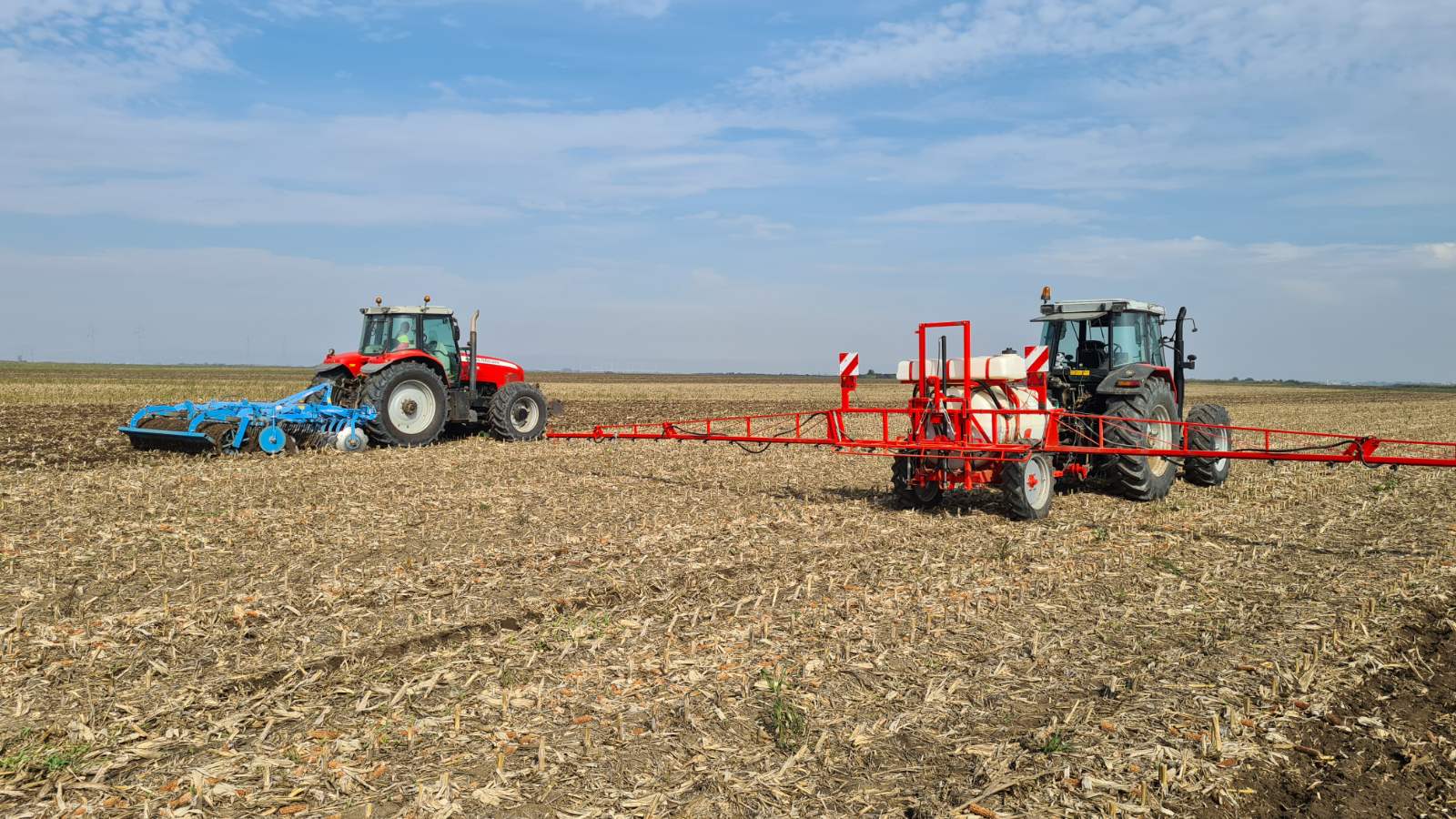
Spring is the period when a large part of the future yield is determined in the soil. After the winter period, the biological activity of the soil is slowed down and nutrient availability is reduced. For this reason, the first spring treatments represent an important stage during which biological processes in the soil are reactivated and conditions for stable crop development are established.
Agricultural production today requires more knowledge and precision than ever before. Climate fluctuations, drought, and temperature extremes have become an integral part of every season, while market pressures demand maximum efficiency from every invested resource. Under such conditions, producers are increasingly focusing their attention on the soil, the foundation of every stable production system.
Soil as the Foundation of Stable Production
For this reason, spring measures should be viewed as a key phase in which the foundations of a stable yield are established. We are aware that we cannot influence climate fluctuations and market challenges, but the factor we can directly influence is the condition and functionality of the soil.
Soil is a complex and dynamic biological system, and modern agricultural production increasingly depends on its ability to ensure a continuous supply of nutrients to plants under changing conditions.
Reactivating Biological Processes After Winter
During the winter period, microbiological activity is reduced, the mineralisation of organic matter is slowed down, and nutrient release occurs at a lower rate. Following the winter slowdown of biological processes, one of the key tasks in spring is the reactivation of microbiological activity and the establishment of stable plant nutrition during the initial stages of development. The early start of vegetation is crucial for subsequent crop development, as it is during this period that plants develop their root systems and yield potential.
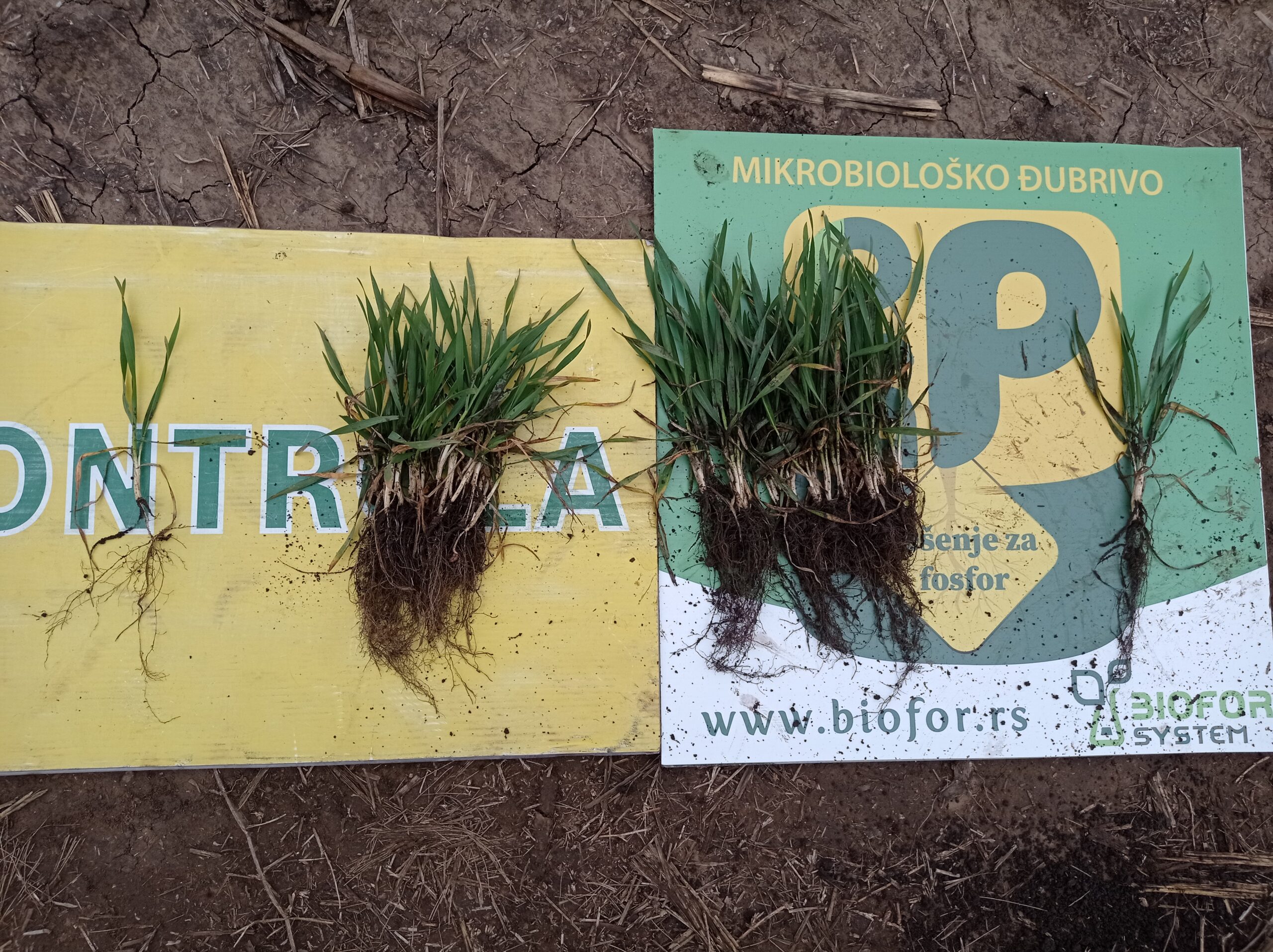
Active soil with a developed and functional microbiological population enables better nutrient availability, stronger root development, and more efficient utilisation of applied fertilisers. Therefore, the more biologically active the soil is, the easier it is for plants to access nutrients, the faster the roots develop, and the more efficiently applied fertilisers are utilised.
The Role of Microbiological Products in the Early Stages of Vegetation
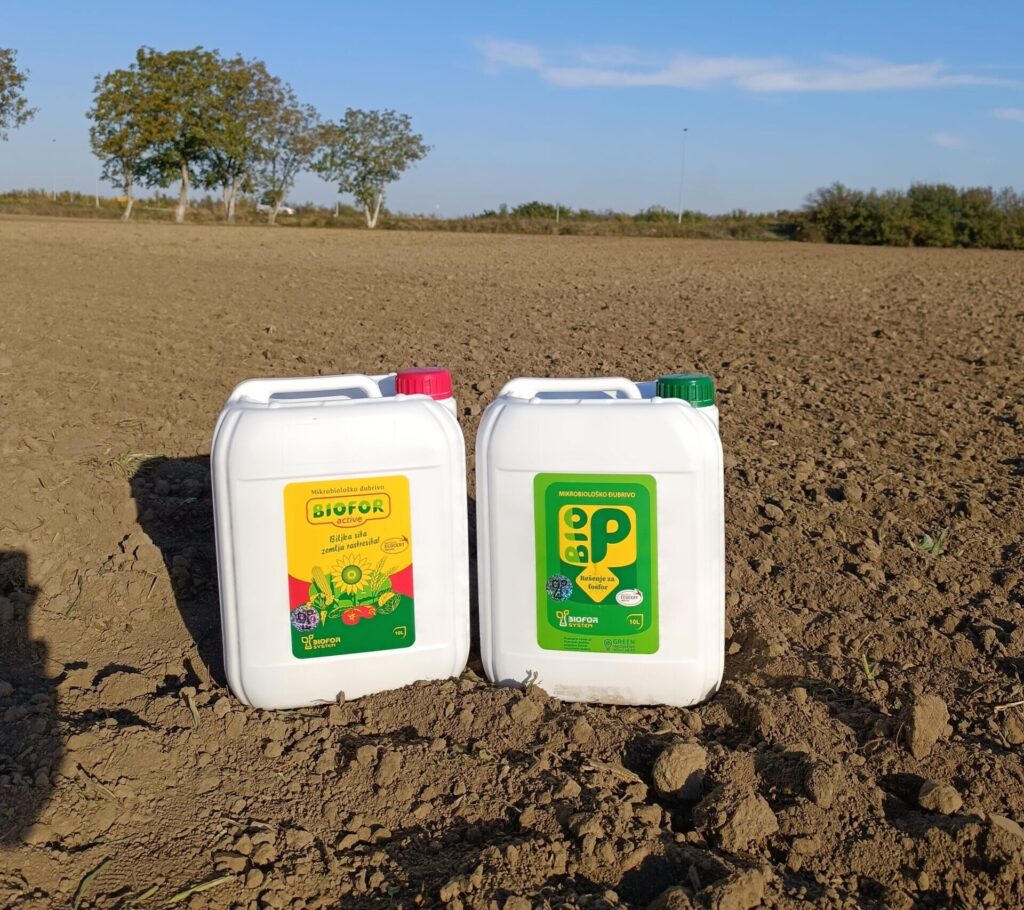
The application of Biofor System microbiological products during the early stages of vegetation aims to activate nutrient reserves in the soil, stimulate root system development, stabilise N, P, and K nutrition, and increase the efficiency of applied mineral fertilisers.
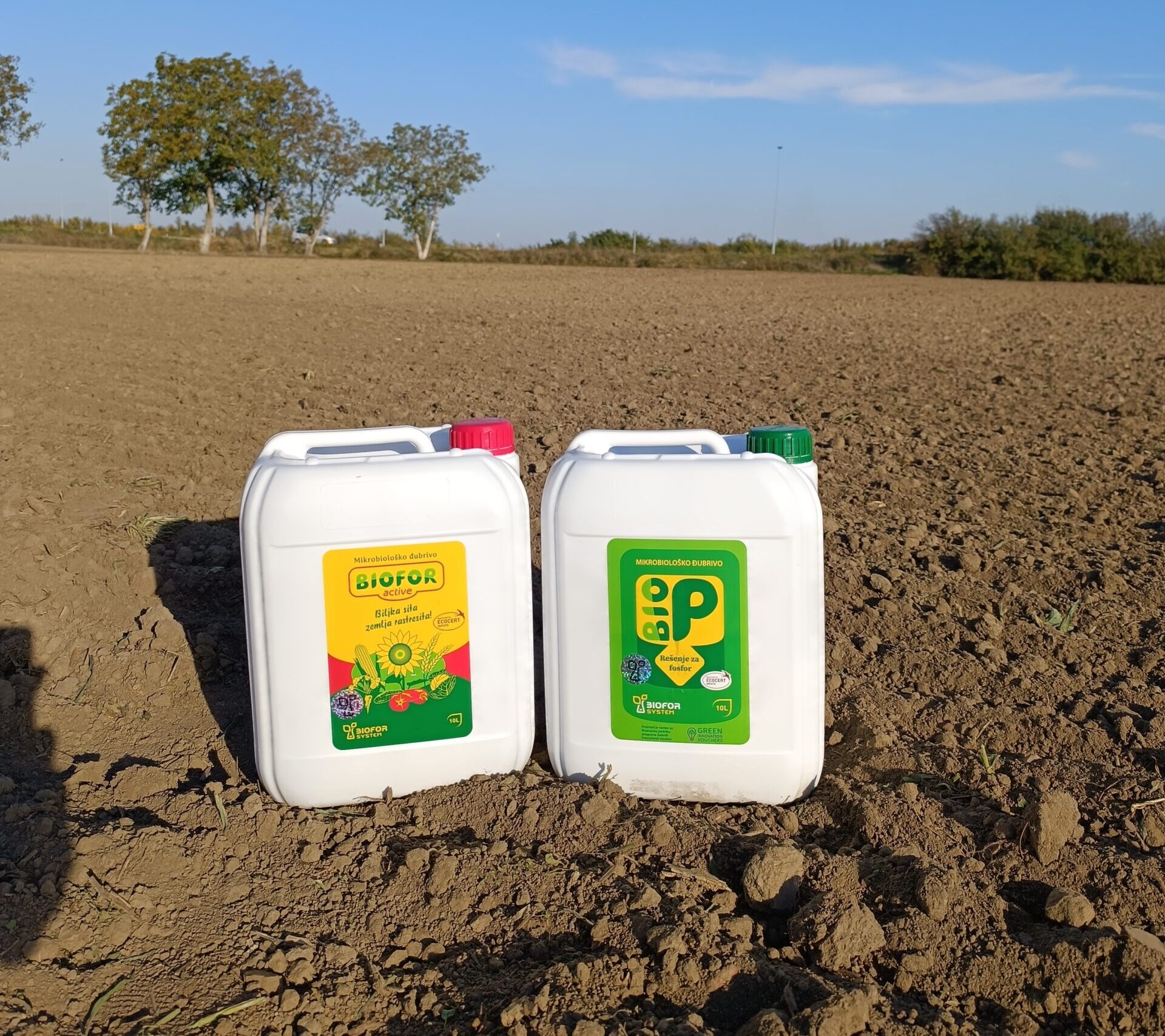
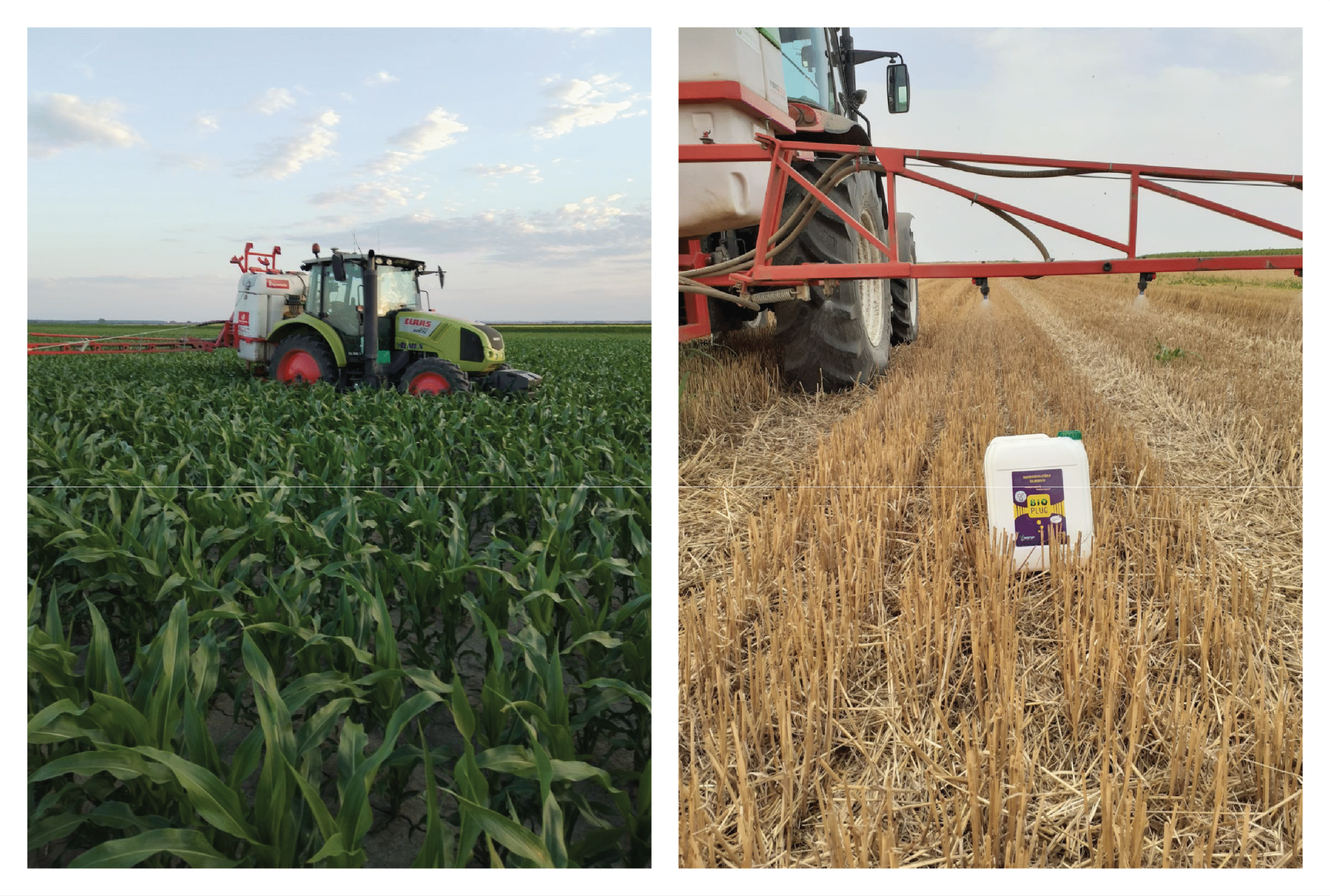
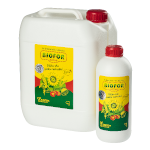
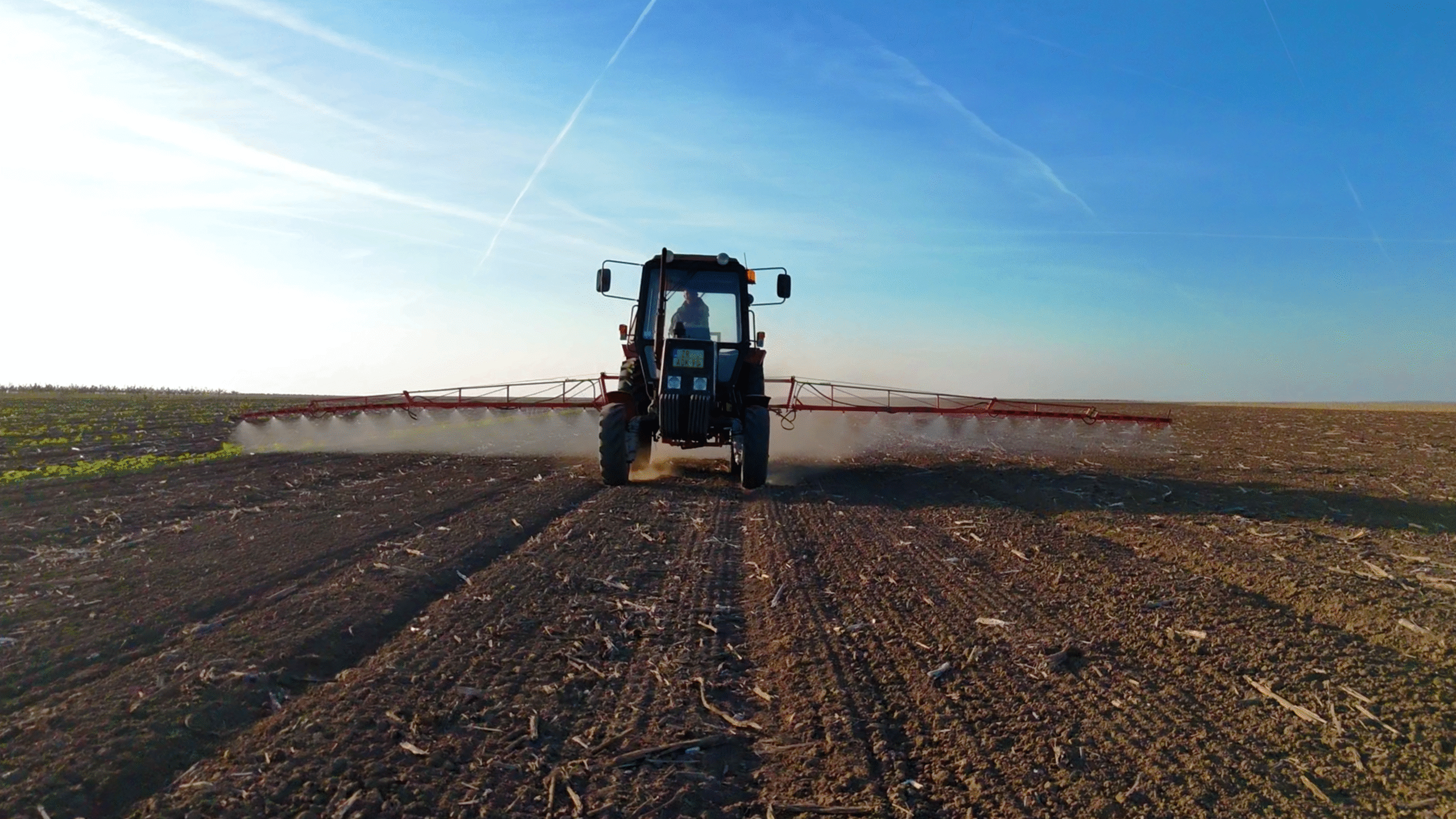
In this context, the products Biofor Active, Biofor BioP, and Nitrogenius are applied during the first herbicide/fungicide treatment of winter cereals. In this way, application does not require an additional pass through the field, reducing costs and simplifying the production technology. Wheat and winter barley should be treated with Biofor Active at a rate of 2 l/ha. The product contains selected bacterial strains that activate soil nutrient reserves and increase the availability of nitrogen, phosphorus, and potassium, while simultaneously stimulating root development and branching, thereby ensuring more stable plant nutrition and uniform initial crop growth.
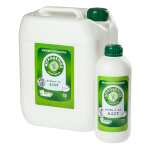
During the same period, the application of Nitrogenius at a rate of 3 l/ha is recommended to increase the efficiency of nitrogen nutrition. The product contains bacteria of the genus Azotobacter, which are capable of biological fixation of atmospheric nitrogen in the root zone. This increases the amount of nitrogen available to plants in the root zone (rhizosphere). Under optimal agroecological conditions, the potential for biological fixation can be significant, reaching 40–80 kg/ha of pure nitrogen. The presence of an active population of these bacteria contributes to better utilisation of applied fertilisers and reduces potential nitrogen losses through leaching and volatilisation. Azotobacter, koje imaju sposobnost biološke fiksacije atmosferskog azota u zoni korena. Time se povećava količina biljci dostupnog azota u zoni korena (rizosferi). U optimalnim agroekološkim uslovima potencijal biološke fiksacije može biti značajan, 40–80 kg/ha čistog azota. Prisustvo aktivne populacije ovih bakterija doprinosi boljem iskorišćenju primenjenih đubriva i smanjenju potencijalnih gubitaka azota ispiranjem i volatilizacijom.
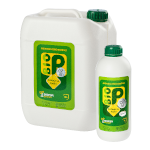
Phosphorus in the soil is often present in forms unavailable to plants, despite its high total content. Biofor BioP contains bacteria capable of phosphorus mobilisation and solubilisation through the release of organic acids and enzymes that dissolve poorly available phosphate forms in the soil. This increases the concentration of plant-available phosphorus in the root zone. In this way, the risk of early phosphorus deficiency is reduced, which often manifests itself through slowed growth and the appearance of anthocyanin colouring of the leaves. This effect is particularly important during the early stages of development, when plants have an increased demand for phosphorus due to intensive root system development and energy metabolism.
Microbiological Activity as a Factor of Stable Yields
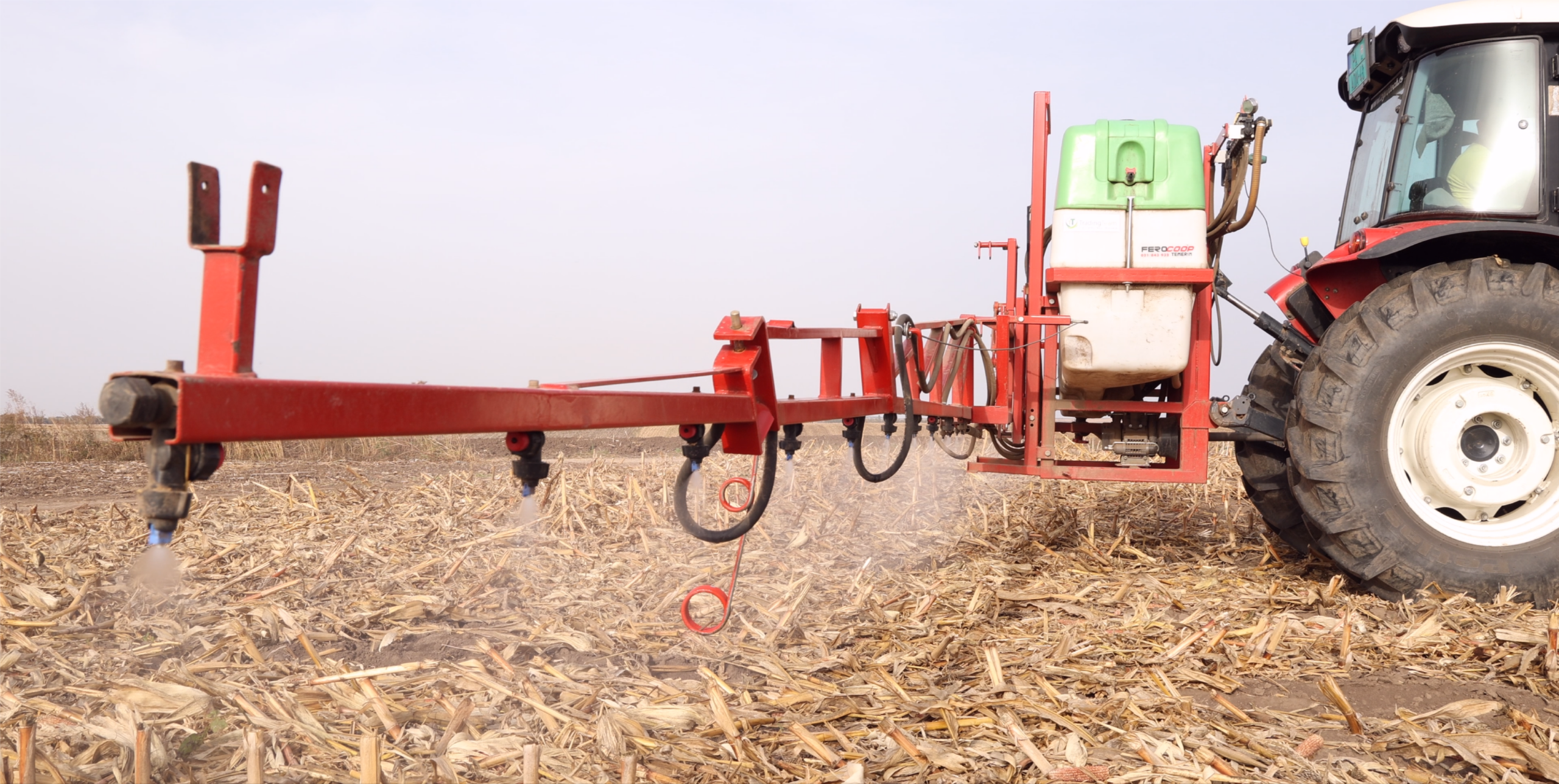
The application of Biofor Active, Biofor BioP, and Nitrogenius is simple because it is carried out together with herbicides and fungicides that are regularly used in the protection of field and vegetable crops. For spring crops (maize, sunflower, soybean, sugar beet, etc.), application is recommended during the first weed control treatment so that the products reach the soil and rhizosphere zone. Biofor Active and Biofor BioP act primarily through the soil, while Nitrogenius, in addition to its soil activity, may also provide an additional effect through foliar application.
By incorporating Biofor System microbiological products into the early stages of vegetation, biological processes in the soil are activated and a more stable nutrient release dynamic is achieved. In this way, plants gain a stronger start, while producers achieve more efficient utilisation of applied fertilisers and more stable yields.
In modern agriculture, soil microbiological activity is increasingly becoming one of the key factors for yield stability, efficient fertiliser utilisation, and long-term soil fertility. By activating biological processes already in the early stages of vegetation, producers can ensure a stronger crop start and more stable production under increasingly pronounced climatic challenges.

 Spring is the period when a large part of the future yield is determined in the soil. After the winter period, the biological activity of the soil is slowed down and nutrient availability is reduced. For this reason, the first spring treatments represent an important stage during which biological processes in the soil are reactivated and conditions for stable crop development are established.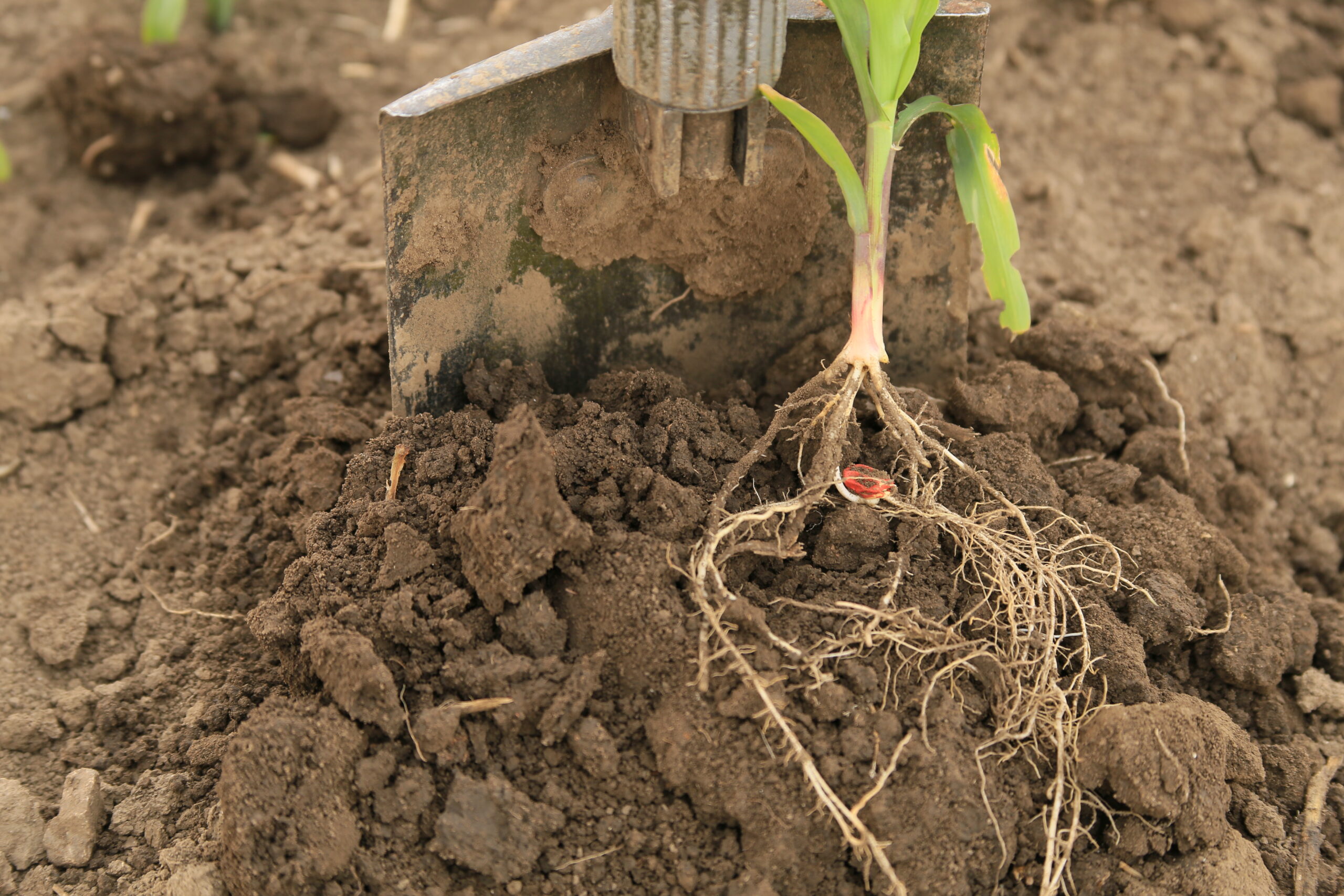
 During the same period, the application of Nitrogenius at a rate of 3 l/ha is recommended to increase the efficiency of nitrogen nutrition. The product contains bacteria of the genus Azotobacter, which are capable of biological fixation of atmospheric nitrogen in the root zone. This increases the amount of nitrogen available to plants in the root zone (rhizosphere). Under optimal agroecological conditions, the potential for biological fixation can be significant, reaching 40–80 kg/ha of pure nitrogen. The presence of an active population of these bacteria contributes to better utilisation of applied fertilisers and reduces potential nitrogen losses through leaching and volatilisation. Azotobacter, koje imaju sposobnost biološke fiksacije atmosferskog azota u zoni korena. Time se povećava količina biljci dostupnog azota u zoni korena (rizosferi). U optimalnim agroekološkim uslovima potencijal biološke fiksacije može biti značajan, 40–80 kg/ha čistog azota. Prisustvo aktivne populacije ovih bakterija doprinosi boljem iskorišćenju primenjenih đubriva i smanjenju potencijalnih gubitaka azota ispiranjem i volatilizacijom.