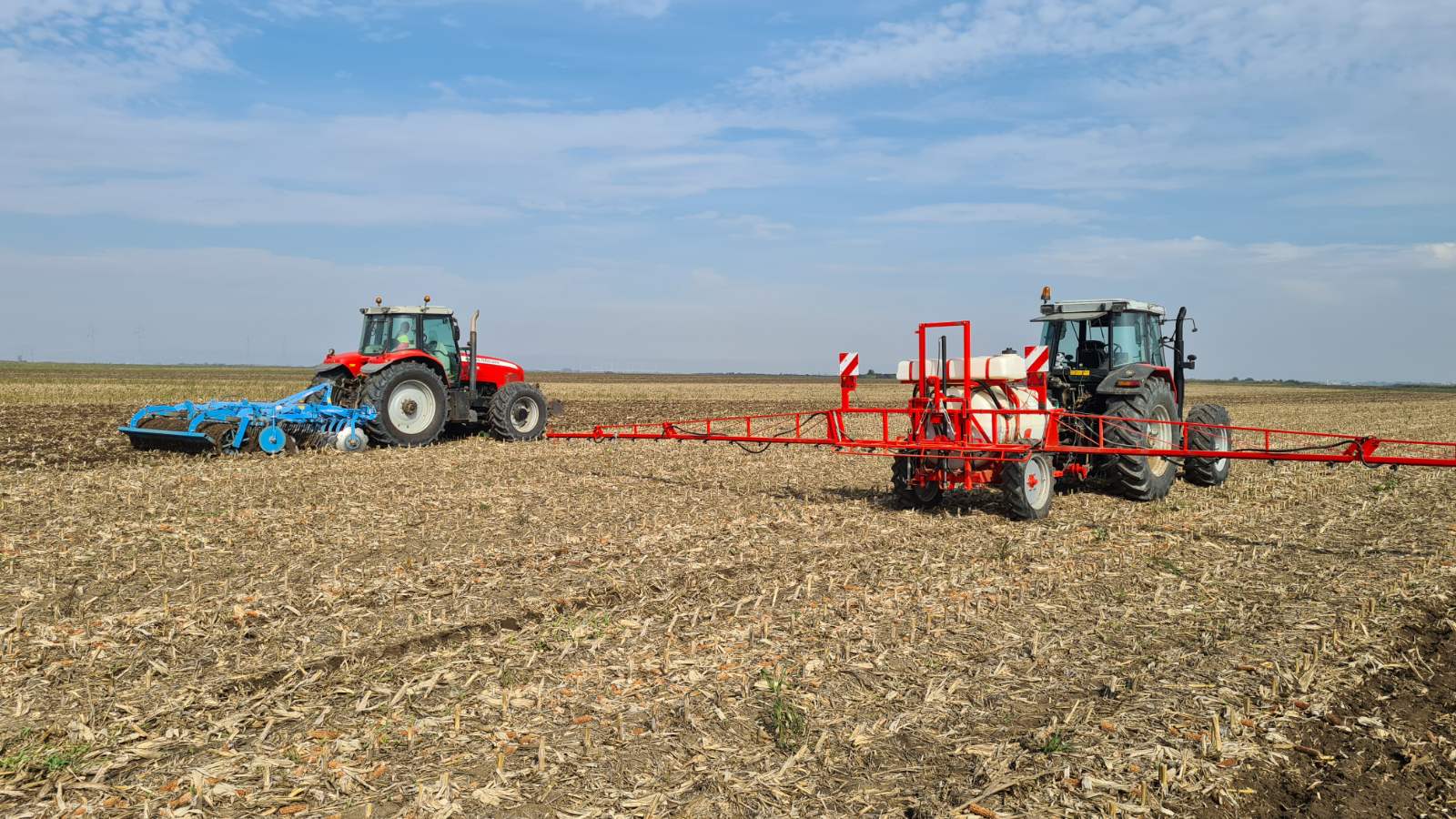
After another drought-stricken year, marked by exceptionally difficult production conditions, the harvest of spring crops has begun: sunflower, maize, soybean, and sugar beet. Field crops faced adverse conditions in different ways, including frost, drought, high and low temperatures, and success in overcoming these challenges largely depended on production technology and soil quality. Soil quality and fertility played a crucial role in coping with climatic challenges, and once again it has been proven that soil is the key factor in agricultural production. The period following the harvest of spring crops is the right time to focus on the soil and prepare it for the next production year.
Restoring Organic Matter in the Soil
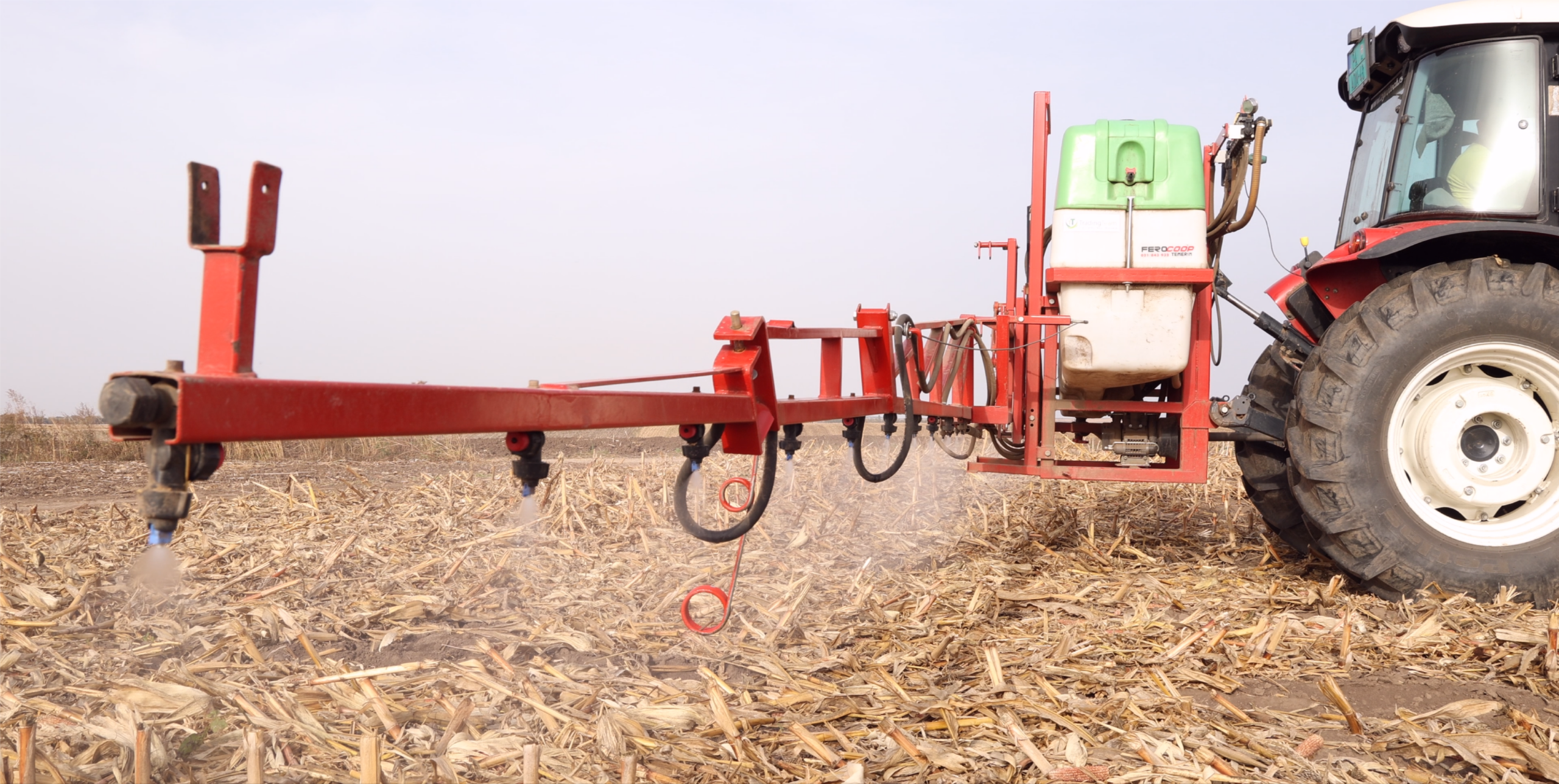
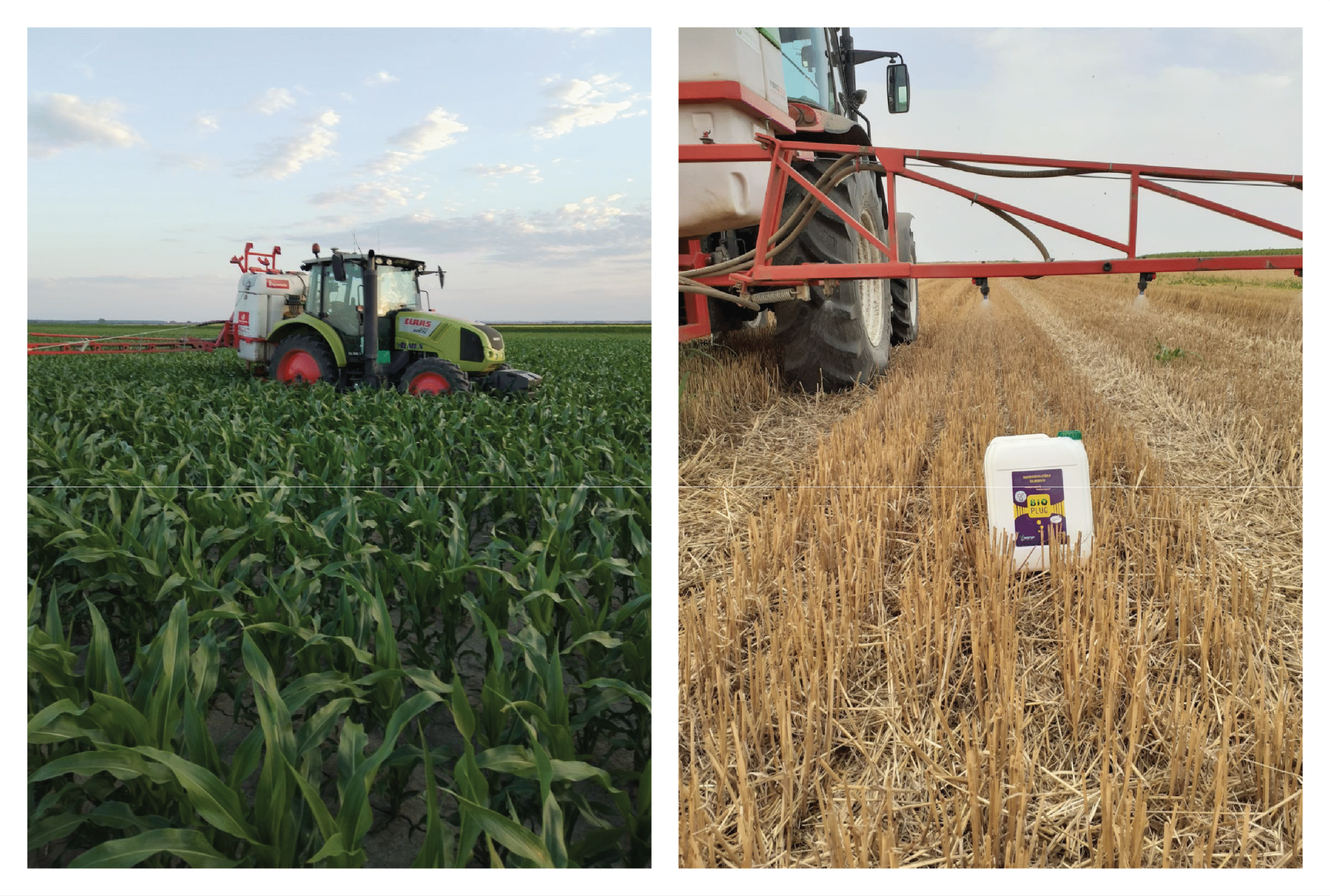
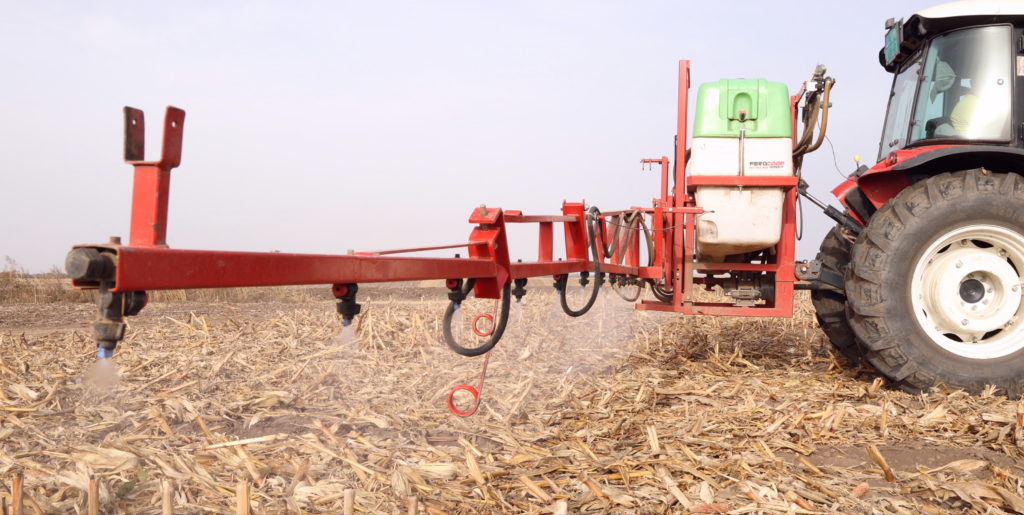
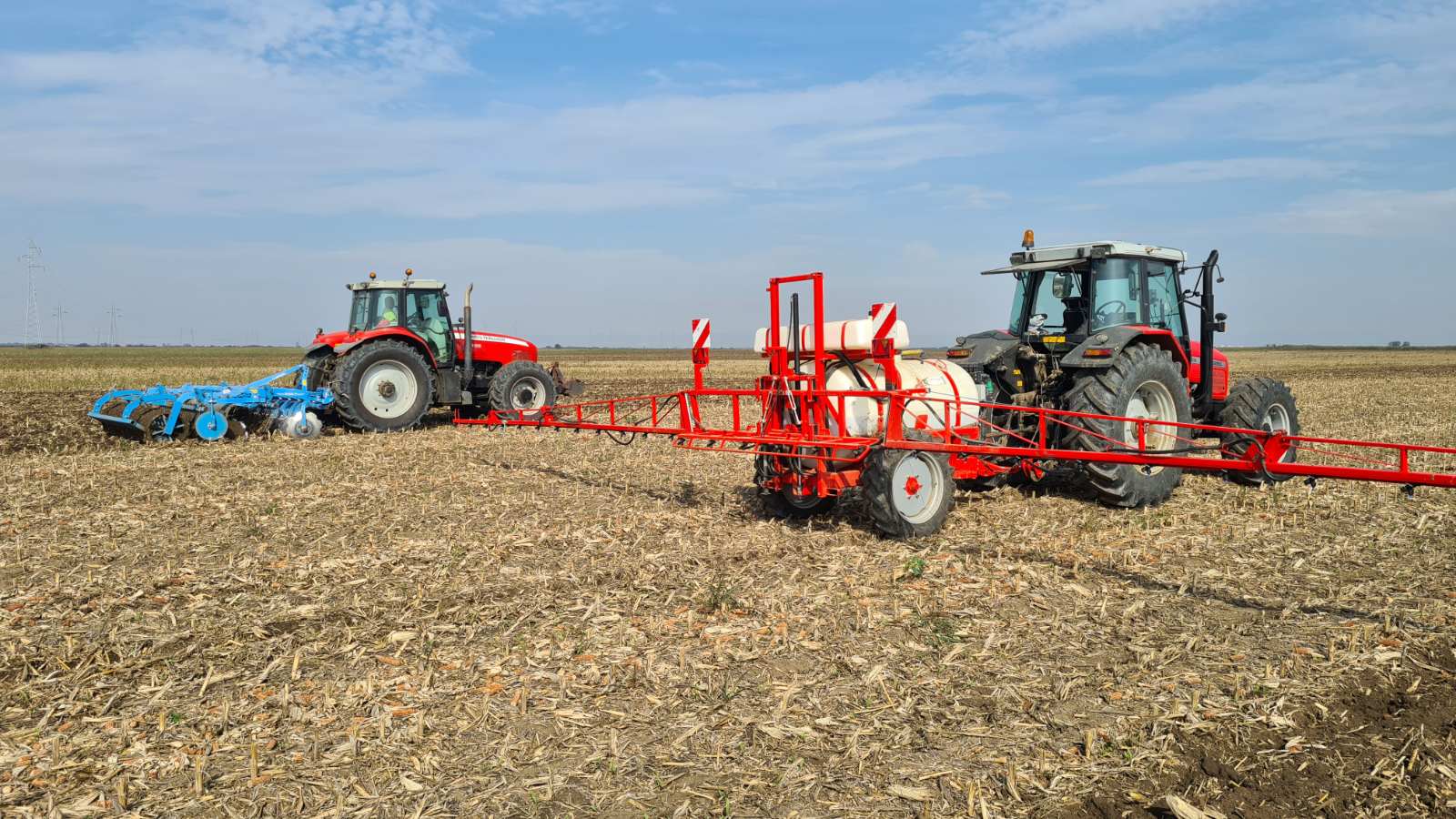
If sufficient quantities of farmyard manure are available, the best practice is to spread and plough it into the soil now. However, due to its shortage, we must seek other ways of restoring organic matter in the soil. Although manure may be unavailable, part of the organic matter can be returned to the soil through crop residues. With proper management and treatment, the nutrients contained in crop residues can be relatively quickly converted into nutrients available to plants. In this way, crop residues become a valuable source of nutrition, but only after appropriate preparation and treatment. If crop residues remain on the soil surface without decomposition, they can immobilise nitrogen, make cultivation more difficult, slow plant growth, and serve as a habitat for insects and phytopathogenic fungi. This can be prevented by treating crop residues with the BioPlug,transforming them into a valuable source of nutrients and humus.
 BioPlug – A Key Step After Harvest
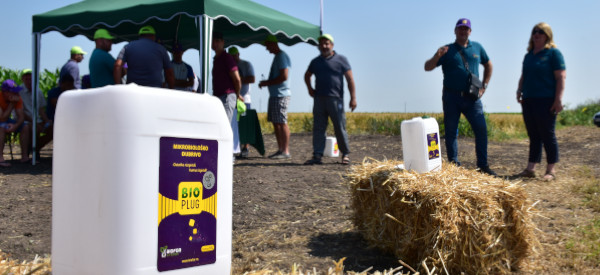
BioPlug is a microbiological product with a pronounced ability to decompose crop residues. It should be noted that drought and high temperatures this year have further reduced the population and activity of microorganisms, resulting in slower decomposition of crop residues. This is an additional reason why crop residues should be treated with BioPlug. BioPlug-om.
Crop residues treated with BioPlug represent a natural and highly effective fertiliser because they contain nutrients in proportions that correspond to plant requirements. By returning them to the soil, macro- and microelements are provided completely free of charge, the need for mineral fertilisers is reduced, and significant savings are achieved, while at the same time increasing humus content. For example, a wheat yield of 7 t/ha leaves approximately the same amount of crop residues containingše od more than 70 kg of nitrogen, 25 kg of phosphorus, 100 kg of potassium, and numerous essential microelements, which, with proper treatment, become available to plants in the following season.
The microbiological product BioPlug ontains bacteria and fungi responsible for the faster decomposition of complex compounds (cellulose, hemicellulose, chitin, and pectin), thereby accelerating the humification process. Particularly important is the bacterium Azotobacter croococcumwhich fixes atmospheric nitrogen and prevents nitrogen depression, meaning that when using BioPlug there is no need to add urea.In addition, Trichoderma harzianum further enhances cellulose decomposition, while bacterial extracellular enzymes accelerate the transformation of organic matter into humus.further enhances cellulose decomposition, while bacterial extracellular enzymes accelerate the transformation of organic matter into humus.
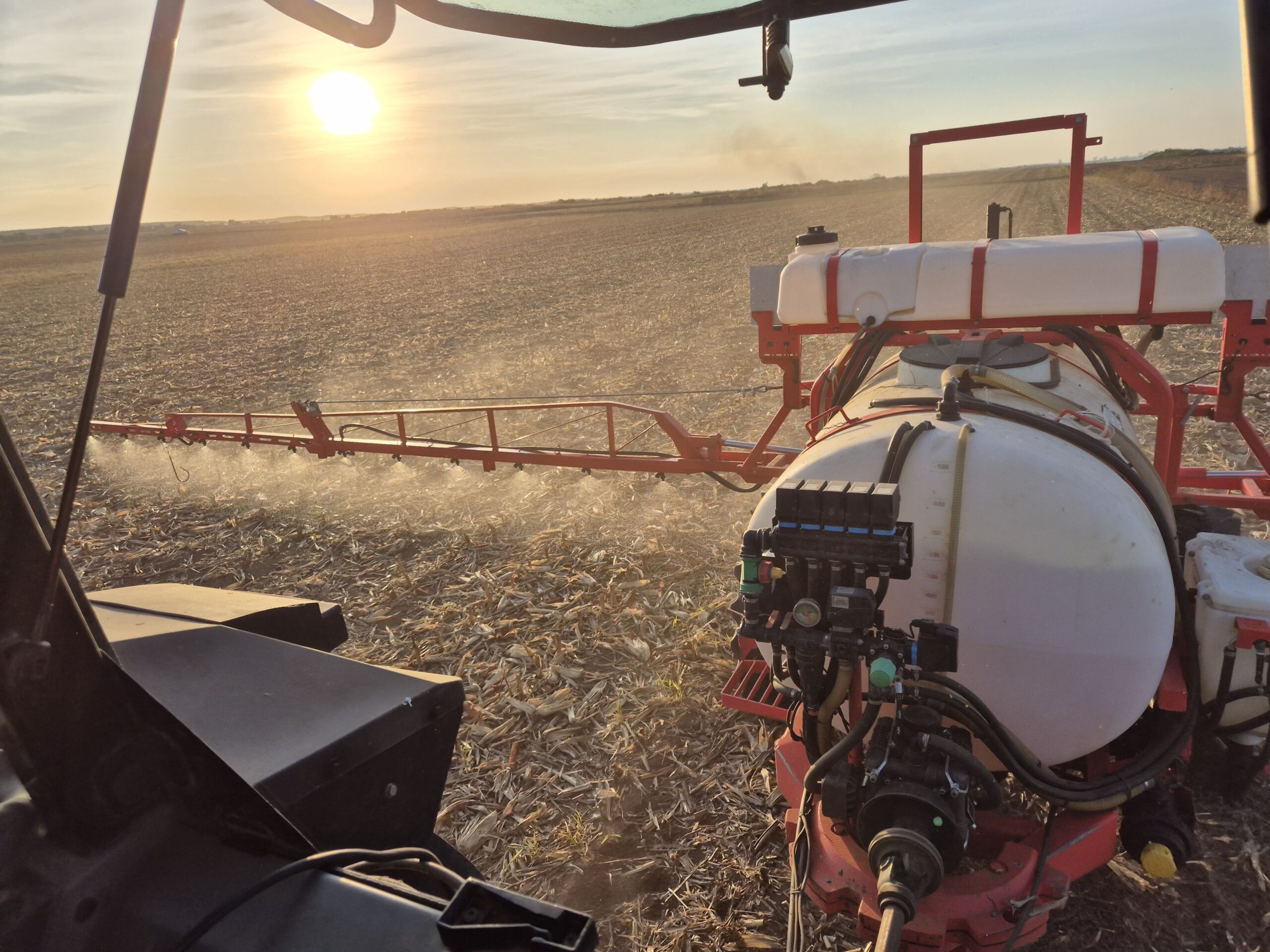 The application of BioPlug increases soil microbiological activity, accelerates humus synthesis, and improves soil fertility and health. Under stressful conditions (drought, high temperatures, pathogens), microorganisms help plants utilise nutrients more efficiently and increase their resistance, thereby mitigating the negative effects of stress. BioPlug contributes to an increase in the population of earthworms and other beneficial organisms, improving soil friability, facilitating cultivation, and enhancing the physical and chemical properties of the soil. By applying BioPlug at a rate of 5 l/ha, soil quality is permanently improved, while regular application increases humus and humic substance content.
Recommendations for Sowing and the Post-Sowing Period of Oilseed Rape and Other Winter Crops
This year, an increase in the area planted with oilseed rape, wheat, and barley is expected. For this reason, it is particularly important to ensure well-prepared soil, as only well-structured, humus-rich soil can provide uniform emergence and strong initial development of these crops. Climate change, frost, drought periods, high and low temperatures further highlight the importance of proper soil preparation and the enhancement of its microbiological activity, enabling plants to become more resilient and better prepared to withstand environmental stress.
Biofor System recommends the application of BST technology (Biological Soil Treatment) as a modern biotechnological approach that provides greater soil fertility and resilience, higher yields, and reduced use of agrochemicals.
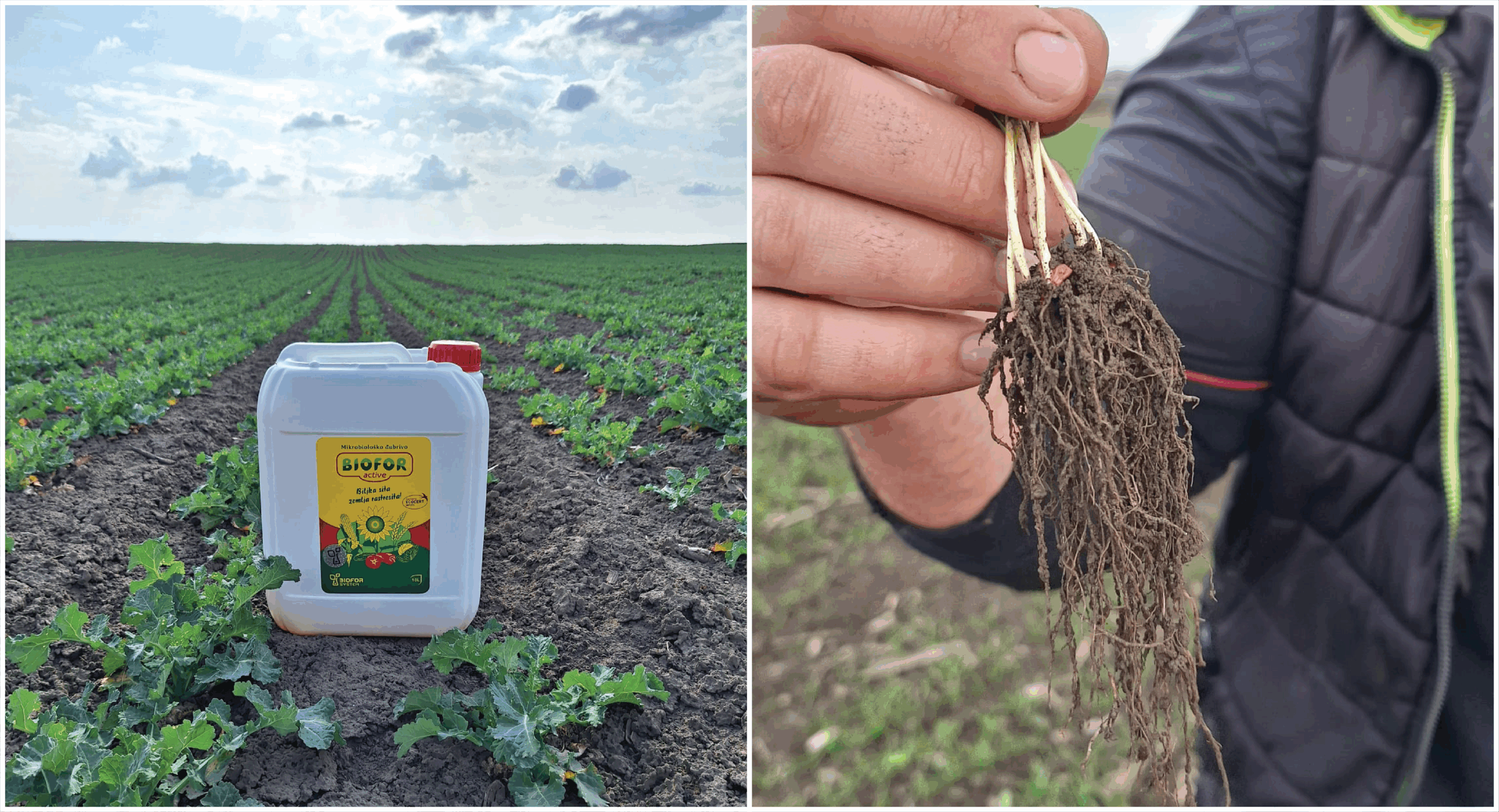 Recommendation for the Sowing of Oilseed Rape and Other Winter Crops
- BioPlug at a rate of 5 l/ha accelerates the decomposition of crop residues, promotes nutrient release, and contributes to humus formation. In this way, soil friability is improved and favourable conditions for root growth are created. Thanks to the fungus Trichoderma, soil health is improved and the risk of pathogen development is reduced. Trichoderma, poboljšava se zdravstveno stanje zemljišta i smanjuje rizik od razvoja patogena.
- Wheat and barley seed should be treated with BioGnezdo at a rate of 0.5 l per hectare seed dose, while the rate for oilseed rape is 0.15 l/ha. For oilseed rape, this treatment is particularly important due to the small seed size and potential germination problems under dry conditions. BioGnezdo enables every seed to express its full germination potential and develop a deep, branched root system.
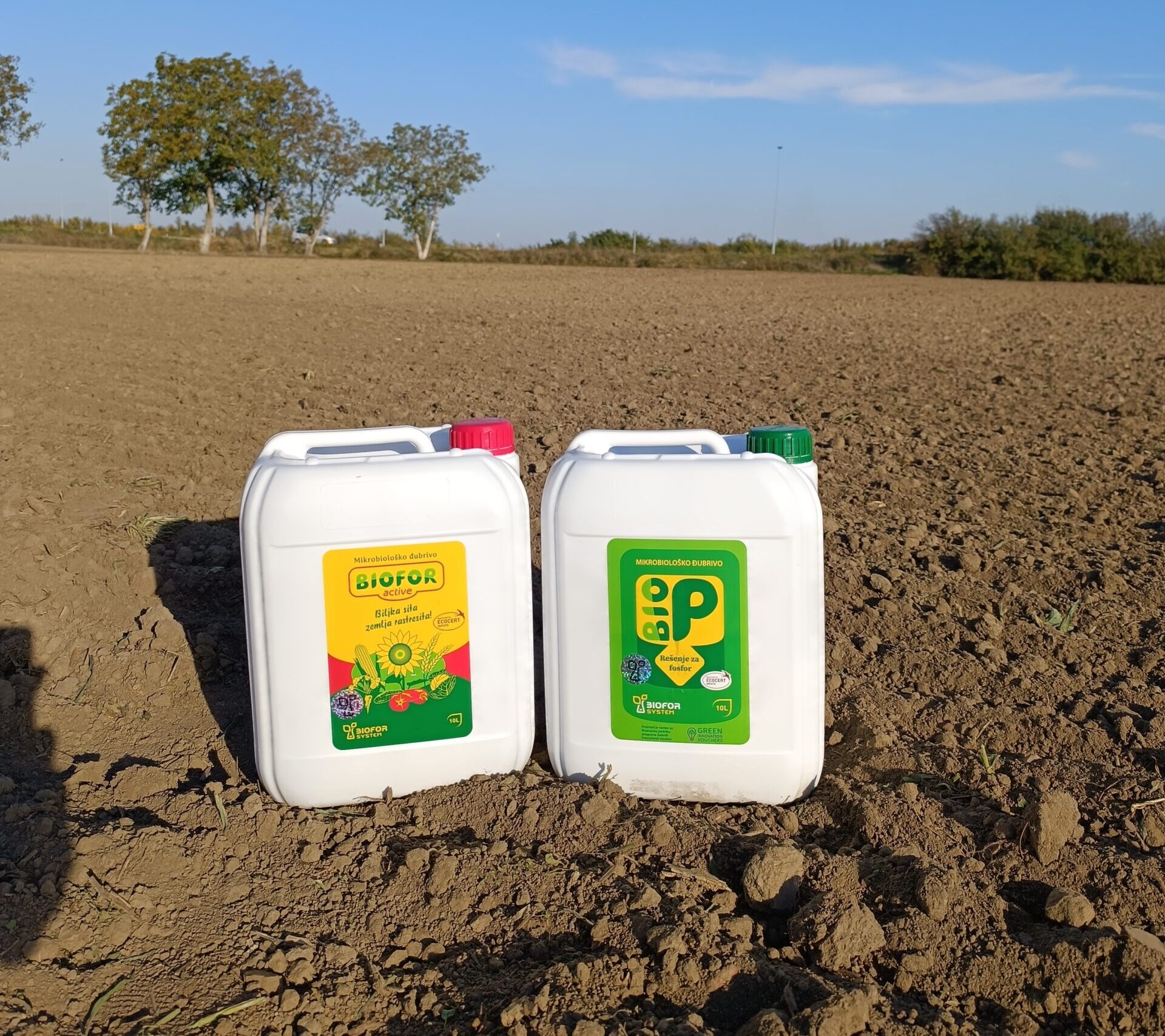
- After sowing, the application of Biofor Active (2 l/ha) and Biofor Active (2 l/ha) i Biofor BioP (3 l/ha) is recommended. Their role is to activate unavailable nutrients (N, P, K) in the soil and make them accessible to young plants. In this way, crops enter winter in good condition and health, enabling faster and more vigorous growth during the spring period.