Preparing the Soil for the Next Season
We are slowly but surely approaching the end of the production cycle of an important group of crops for our production region. Successful farmers, even before the end of the growing season and the harvesting of cereal crops, are already considering how to ensure soil fertility and prepare it for the next season. This is the right time to pay attention to the microbiological life of our soil, without which there can be no soil fertility or plant health. Maintaining healthy microbiological life in the soil is the key to stable yields and sustainable agricultural production.
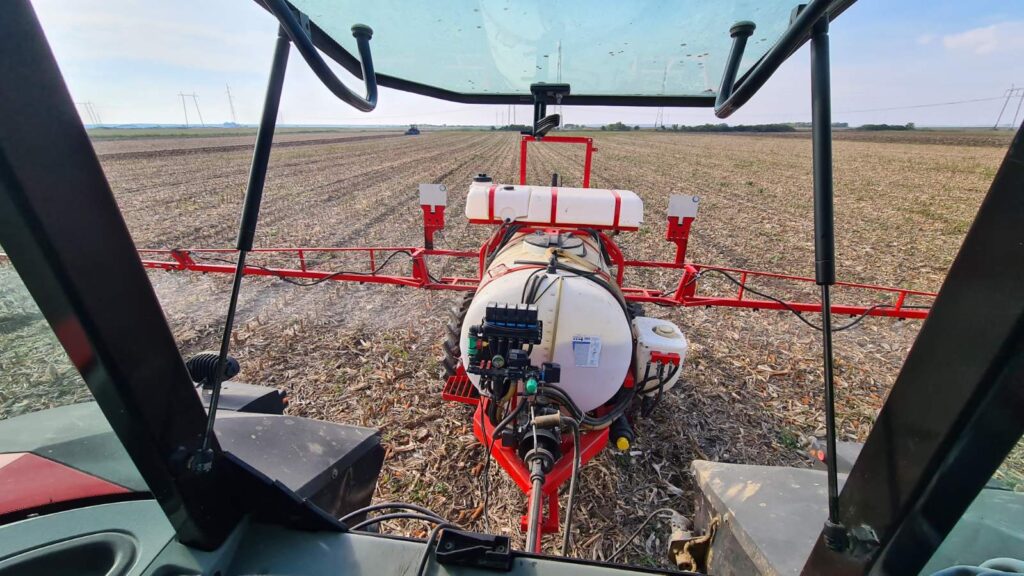
Crop Residues as the Key to Fertility
After the harvest of winter and spring cereals, it is the right time to focus on preparing the soil for the next season and on the long-term improvement of soil fertility. If we plan to engage in agriculture in a sustainable way, we must pay special attention to the soil. Sustainable agriculture is based on soil quality, above all on the humus content, as the most valuable component of the soil. Unfortunately, we are witnessing a decline in humus content in our soils. This problem arises due to increasingly intensive agricultural production, higher yields, and consequently the increased removal of organic matter from fields. In addition, the lack of organic fertilisers such as farmyard manure, due to the reduced livestock population, further contributes to this problem.
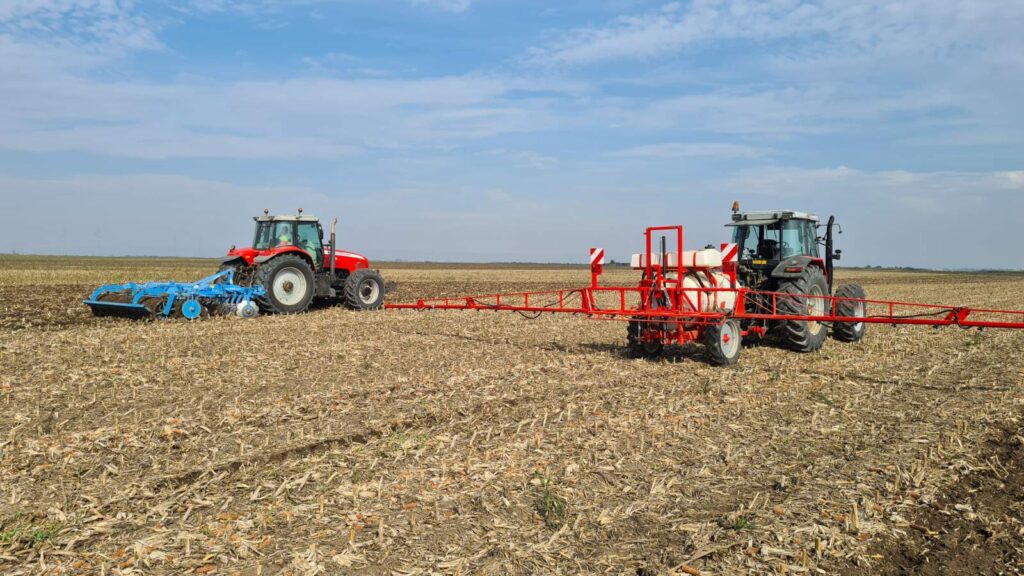
Benefits of Proper Crop Residue Management
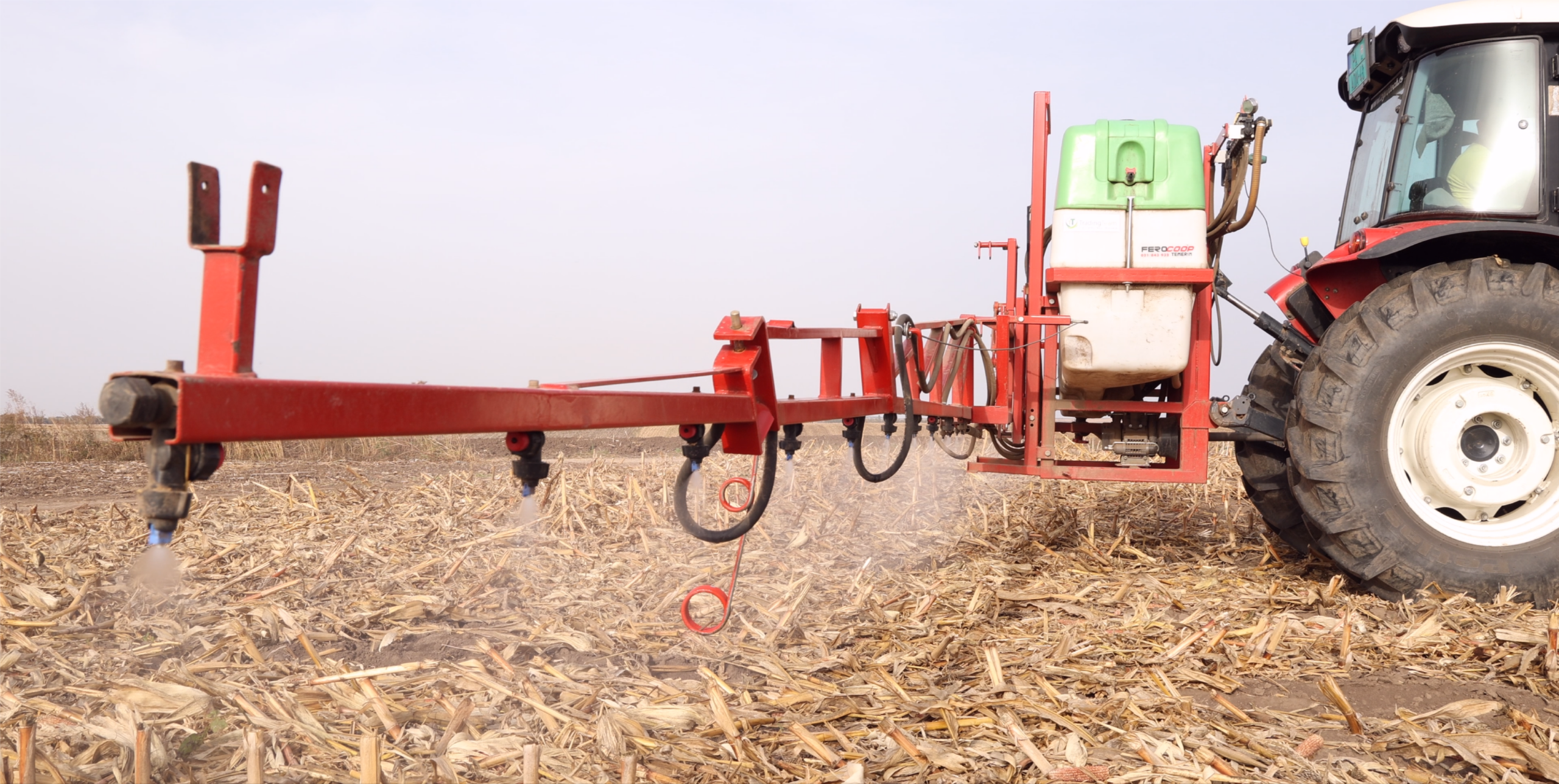
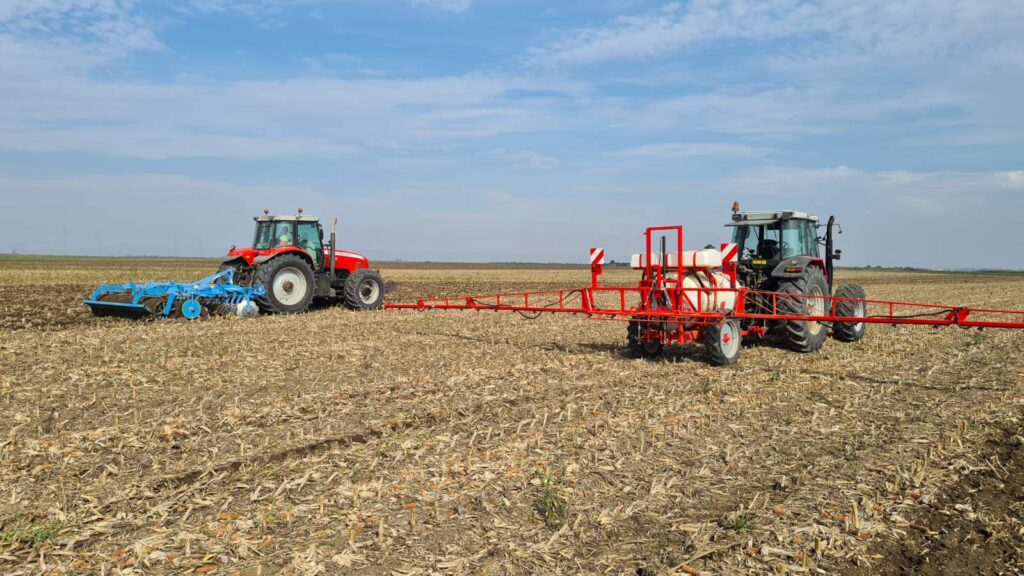
What can we do for our soil to keep it fertile despite the absence of farmyard manure application? We can return part of the organic matter which, through proper treatment, is transformed into humic substances in the soil within a relatively short period of time. Crop residues can represent one of the most valuable sources of plant nutrition, but only if they are properly managed and treated. In this way, the nutrients contained in crop residues become available to plants as early as the following season. In terms of composition, crop residues represent the best fertiliser we can provide to our plants because plants absorb nutrients in the proportions they require. In this way, we provide plants with macro- and microelements, thereby ensuring the best possible fertiliser for our crops completely free of charge. This is a way to reduce the application of mineral fertilisers based on these nutrients and further increase the profitability of our production. By utilising crop residues, we achieve significant savings in production while at the same time increasing the humus content of the soil, which brings numerous benefits in agricultural production.With a maize yield of 10 t/ha, the same amount remains in the field in the form of crop residues, containing 90 kg of pure nitrogen (N), 35 kg of pure phosphorus (P), and 130 kg of pure potassium (K). Through proper treatment of crop residues, all of these nutrients become available to our plants during the following season.
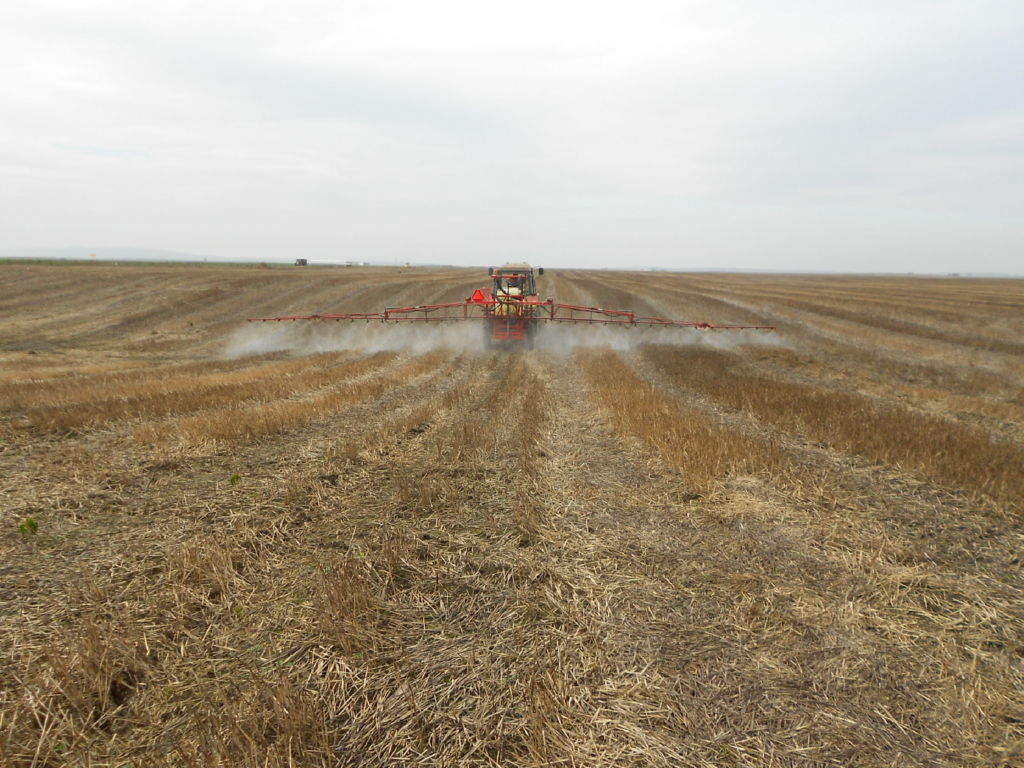
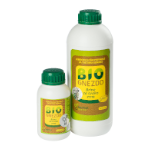
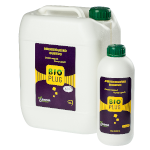
For many years, Biofor System has offered the microbiological product BioPlug, which contains bacteria that contribute to the rapid decomposition of crop residues, primarily the difficult-to-decompose cellulose and pectin, thereby supporting the natural processes of crop residue humification. The fungus Trichoderma harzianum plays a role in the decomposition of cellulose, which breaks down very slowly in the soil. Bacillus amyloliquefaciens, Bacillus licheniformis, and Bacillus megaterium are involved in the transformation of organic matter and its humification. Pseudomonas putida transforms more resistant residues into humus. The ideal balance of these bacteria and fungi in the product enables its efficiency in the transformation of crop residues from field crops. Bacillus circulans enables potassium metabolism as a very important component in the soil while simultaneously improving soil structure, resulting in an improved water-air regime.
Prevention of Nitrogen Depression with BioPlug
BioPlug also contains the bacterium Azotobacter chroococcum, which plays a major role in atmospheric nitrogen fixation and thereby enriches the soil with this important element. In BioPlug, this bacterium serves to prevent the occurrence of nitrogen depression (pale patches), which may appear under conditions of accelerated transformation of organic matter in the soil, since nitrogen is required for the activity of microorganisms. For this reason, Azotobacter, as an integral part of this product, provides sufficient quantities of nitrogen from the air so that microorganisms can carry out the decomposition process without interruption.
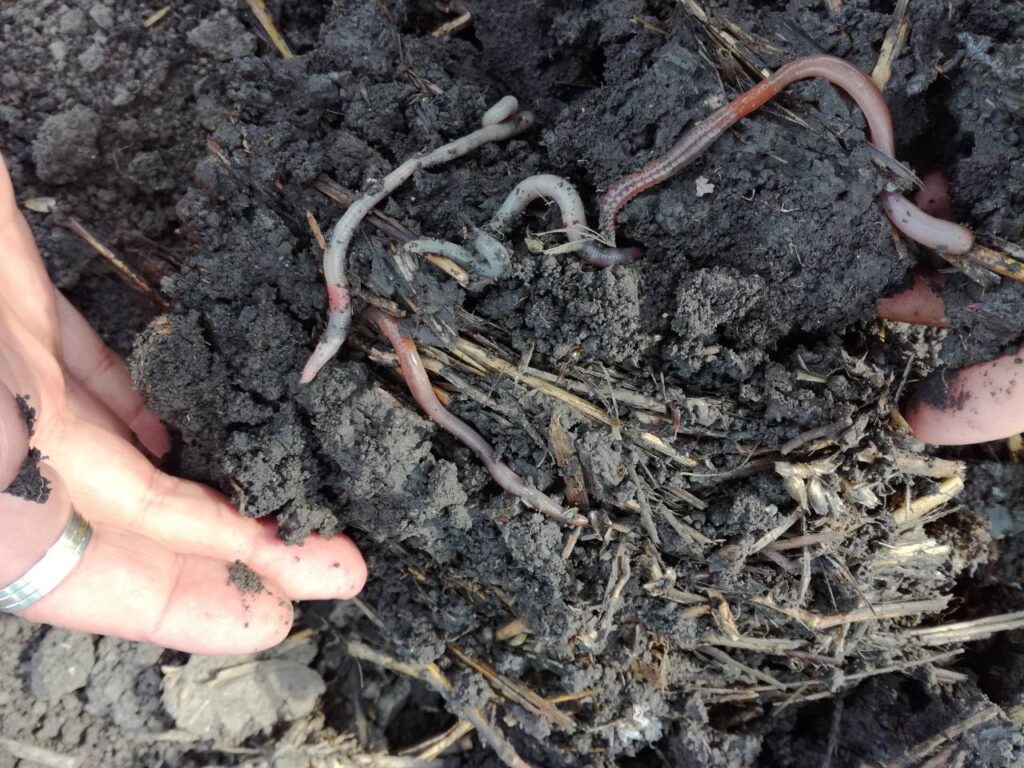
Results of BioPlug Application
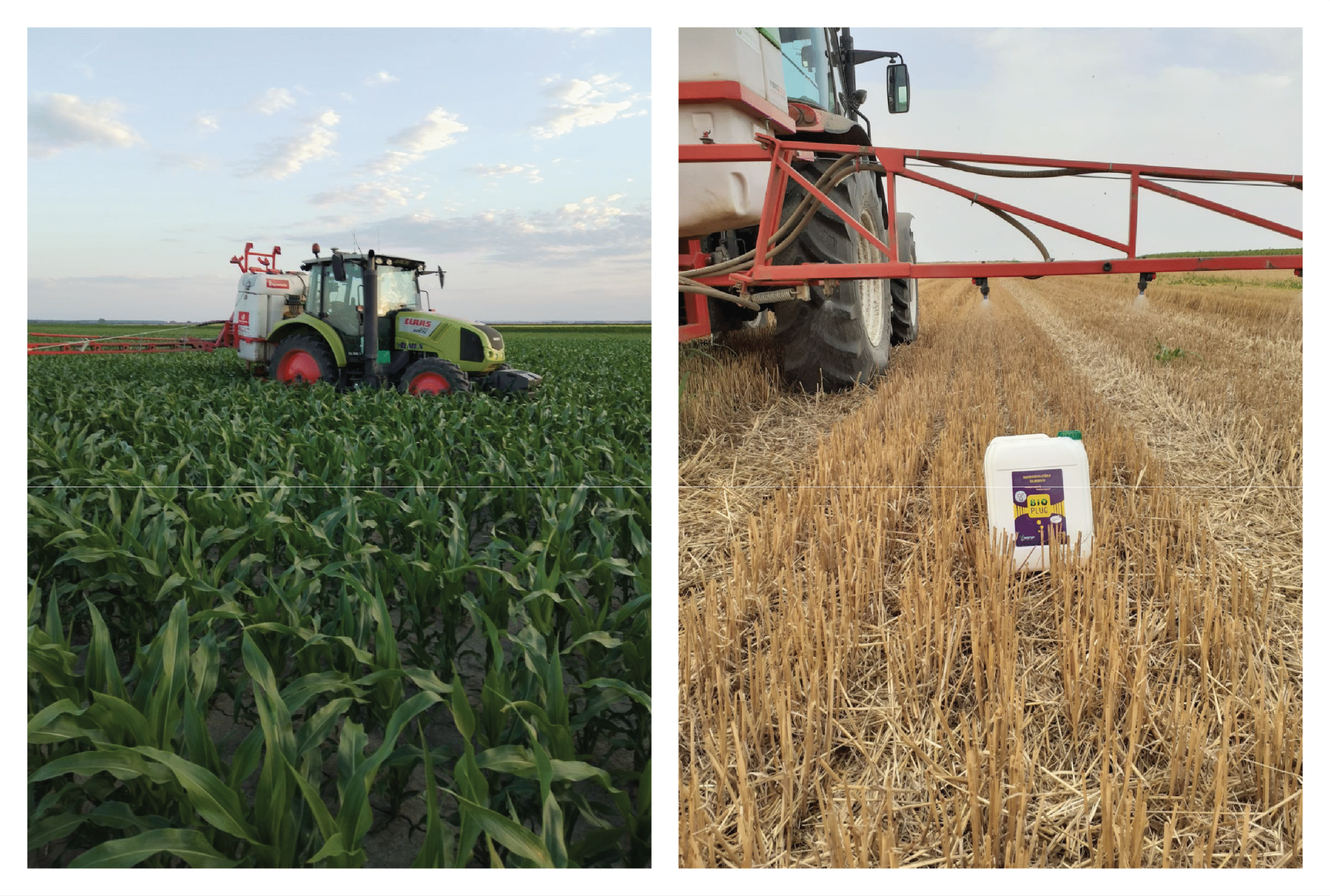
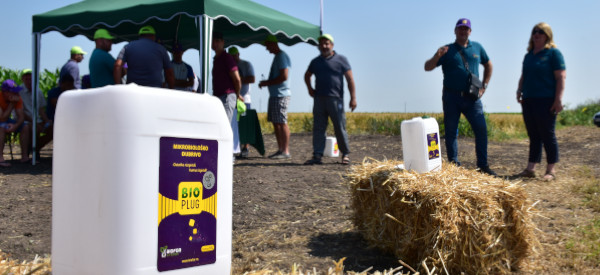
The results of BioPlug application include decomposed crop residues, increased microbiological activity in the soil, looser soil that is easier to cultivate, and warmer soil in the spring. One of the most obvious benefits is the return of earthworms to the fields, which further contributes to improving soil quality. The application of BioPlug at a rate of 5 l/ha significantly improves soil quality, while regular use increases the content of humus and humic substances, thereby improving soil fertility and health in the long term.
BioPlug – Decompose Residues, Build Humus!